Kamakura · Hase and Gokurakuji
Hasedera
How to get there and what to see · facts checked 2026-10-24
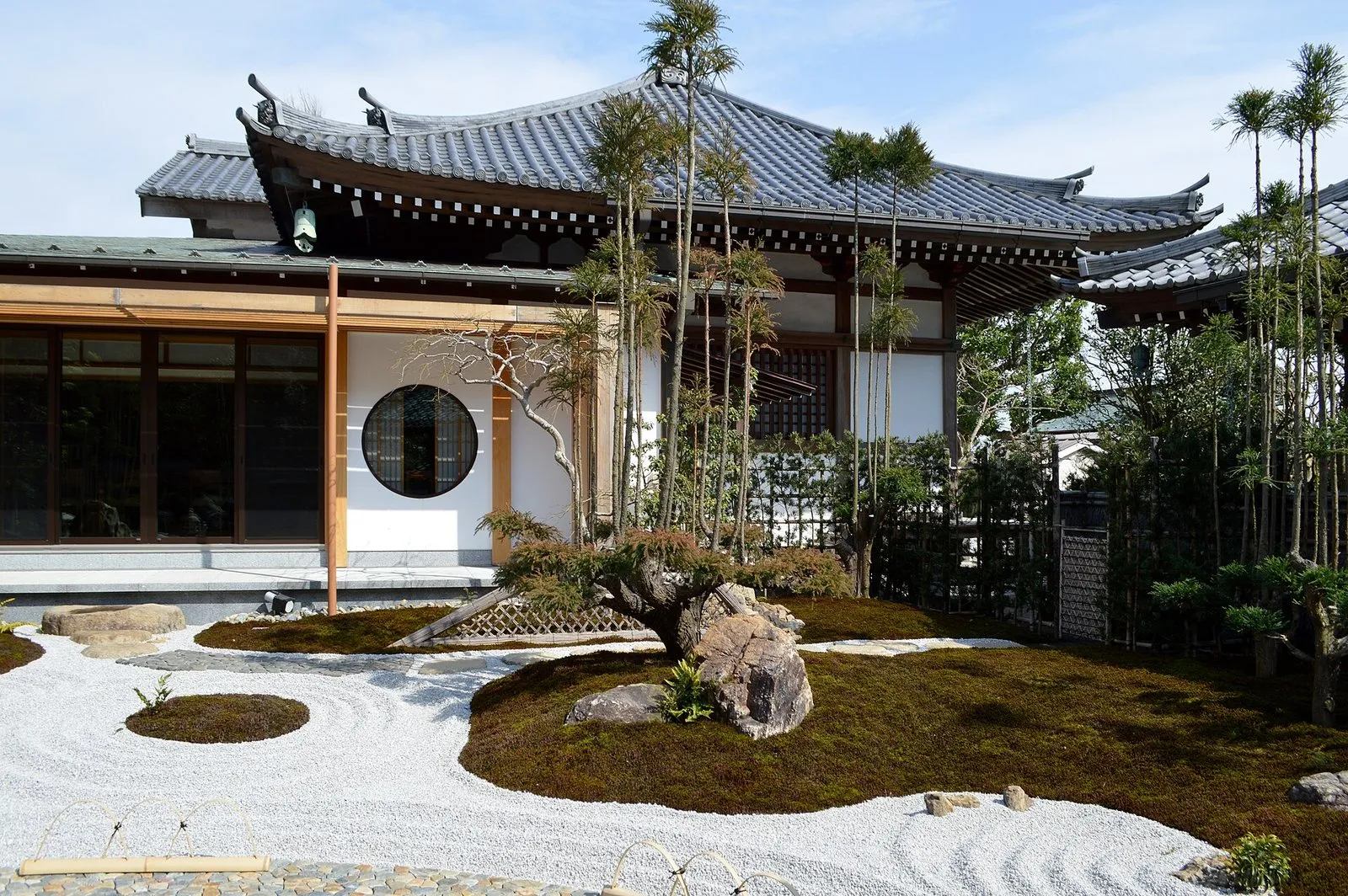
Home to a 9.18 m Kannon, one of the largest wooden statues in Japan, with a hillside terrace looking over Yuigahama bay and a slope of hydrangeas in June.
- Nearest station
- 5 min walk from Hase Station
- Hours
- Entry 8:00–16:30 (closes 17:00); April–June entry 8:00–17:00 (closes 17:30)
- Admission
- Adults ¥400, elementary students ¥200
What to see
- The eleven-headed Kannon in the Kannon hall: 9.18 m tall, among the largest wooden statues in Japan. The hall was rebuilt in 1986.
- Kaiko terrace: views over Kamakura, Yuigahama beach and the Miura Peninsula, and Izu Oshima on clear days.
- Hillside path with more than 40 kinds and about 2,500 hydrangea bushes, looking down on the bay.
- Amida hall, with the Amida said to have been made for Yoritomo to ward off bad luck in his 42nd year.
- Benten cave, its walls carved with the goddess Benzaiten and her sixteen attendants.
Seasons
- Hydrangeas in the rainy season (about 2,500 on the hillside path); the temple says something is in flower all year round.
History
Its full name is Kaikozan Jishoin Hasedera. It traces its founding to 736, making it one of Kamakura's oldest temples.
Getting there
A five-minute walk from Hase Station on the Enoden line, or take a bus from JR Kamakura Station to Hase Kannon and walk five minutes.
Address:3-11-2 Hase, Kamakura, Kanagawa
Before you go
No pets (assistance dogs are welcome). The revolving sutra library can be turned only on set days, such as the 18th of each month.
Map of sights in Kamakura
Tap a red pin to open that sight's page.
Nearby sights
← Kamakura guide: trains from Tokyo
Sources
Hours, prices and history come from the official websites and public tourism pages listed here. They can change, so check the official site before you go.
- 長谷寺 公式サイト(拝観案内)(checked 2026-10-24)
- 長谷寺 公式サイト(長谷寺について)(checked 2026-10-24)
- 長谷寺 公式サイト(花散歩)(checked 2026-10-24)
Map data:© OpenStreetMap contributors