Kamakura & Enoshima Guide: Day Trip from Tokyo
Updated October 21, 2026 · Prices checked October 20, 2026
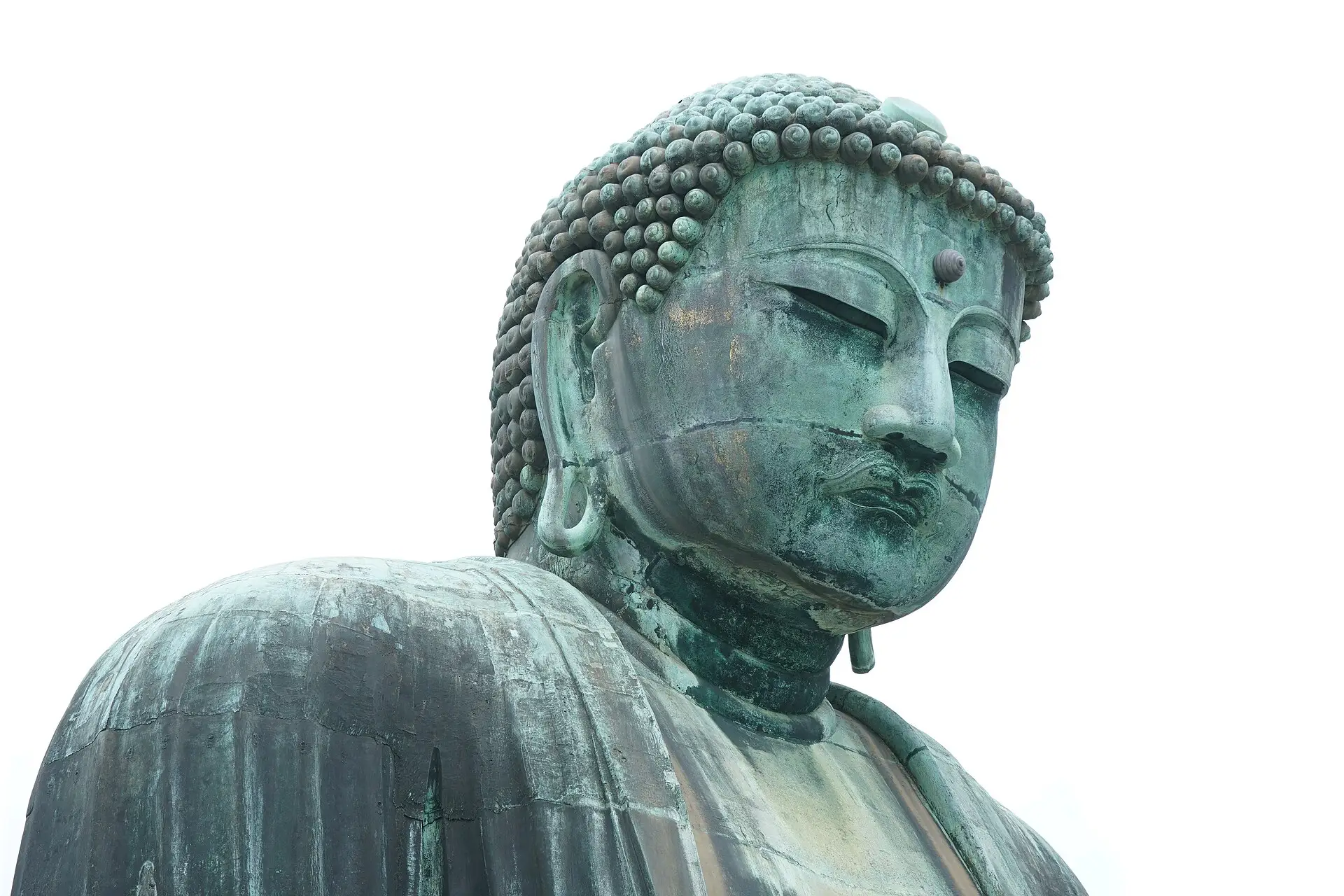
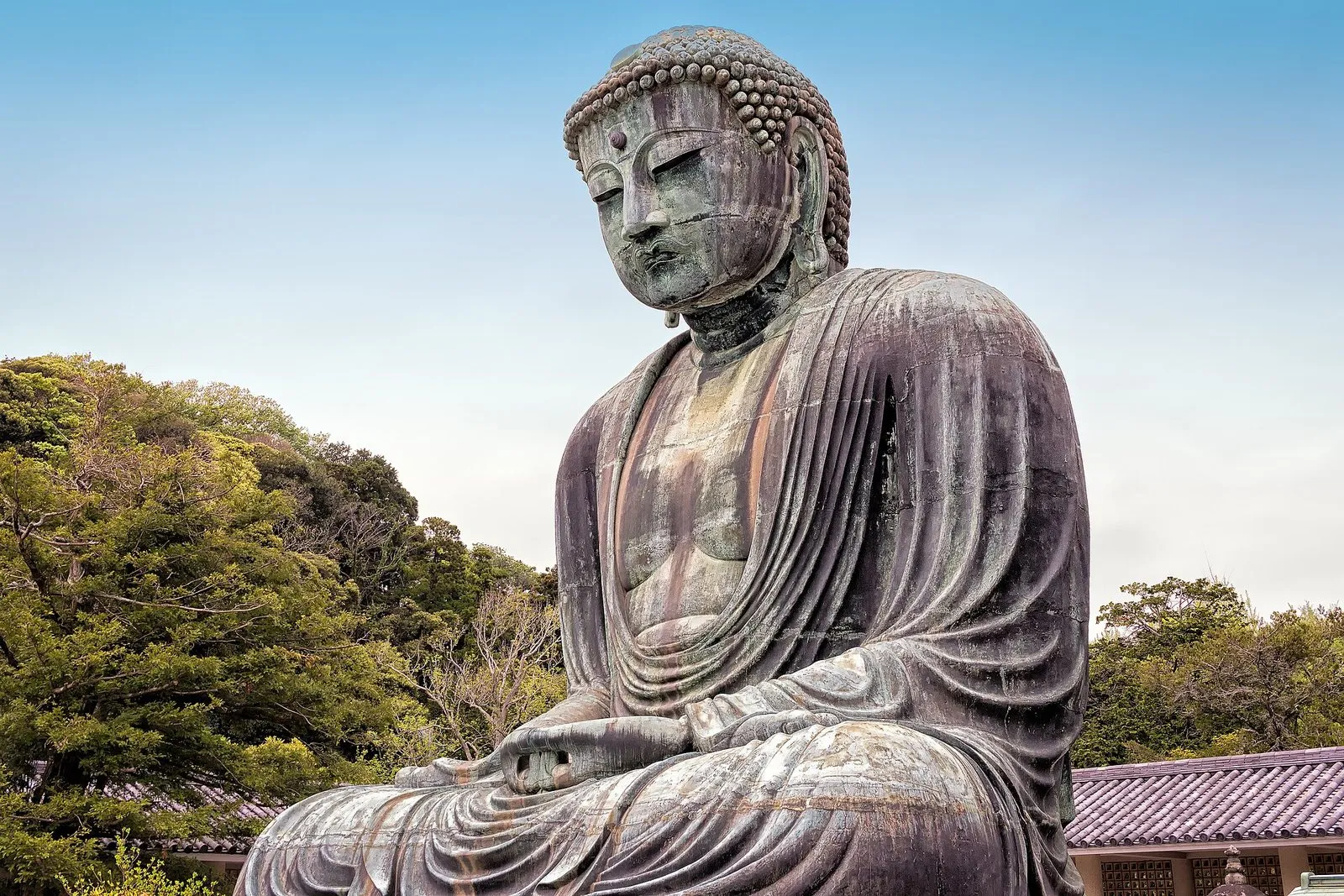
The Great Buddha of Kamakura Photo: Alexandar Vujadinovic・CC BY-SA 4.0
Tours and tickets
Guided walks, day trips and attraction tickets, with reviews from other travelers.
Kamakura sights on a map
17 sights · checked on official sites (2026-10-24)
- 1EngakujiKita-Kamakura・1 min walk from Kita-Kamakura StationThe great Zen temple right outside Kita-Kamakura Station, home to a National Treasure relic hall and the largest temple bell in the Kanto region.
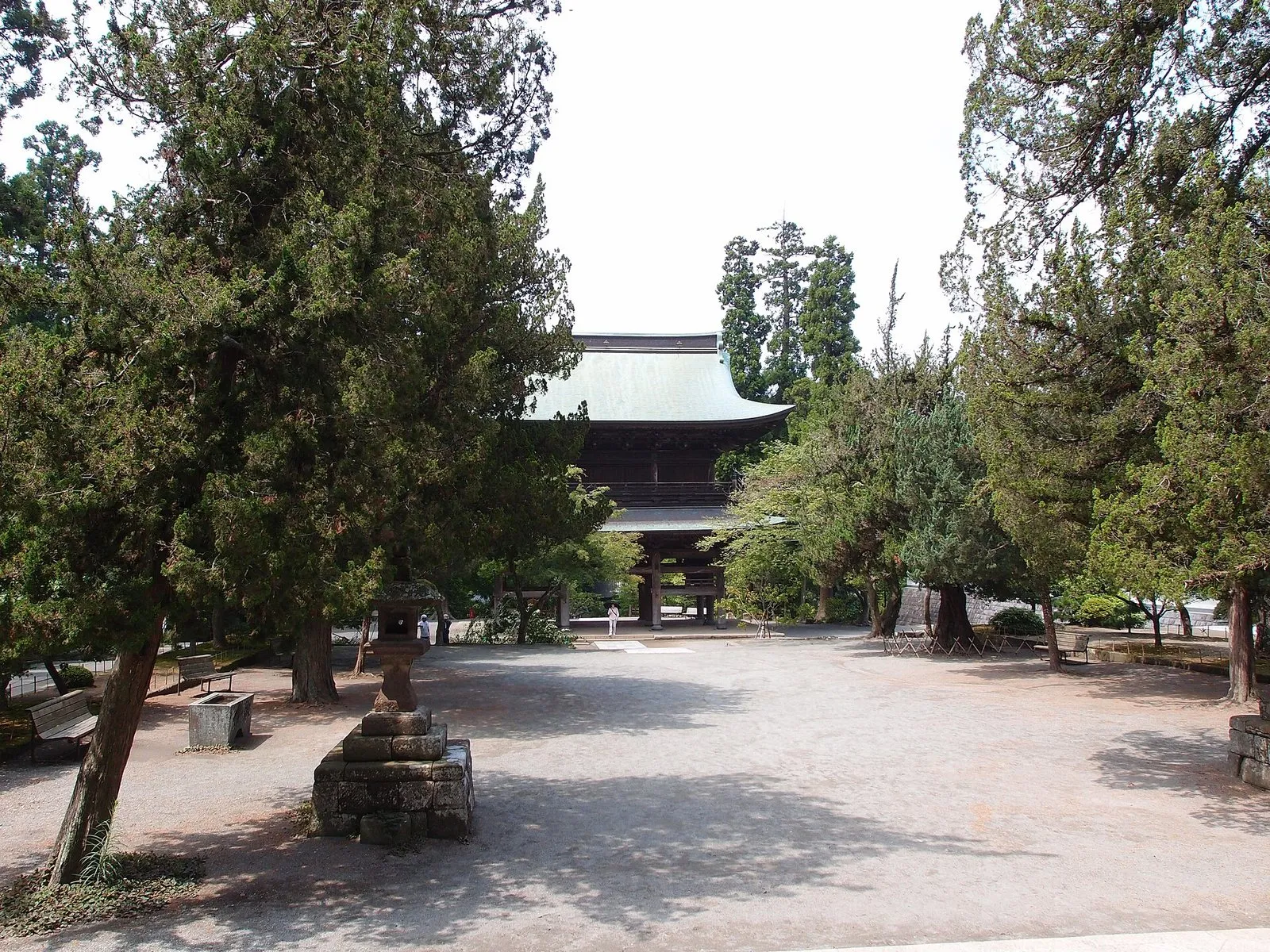
- 2TokeijiKita-Kamakura・4 min walk from Kita-Kamakura StationFor some 600 years the temple where women could escape a marriage; today a quiet flower temple with no admission fee.
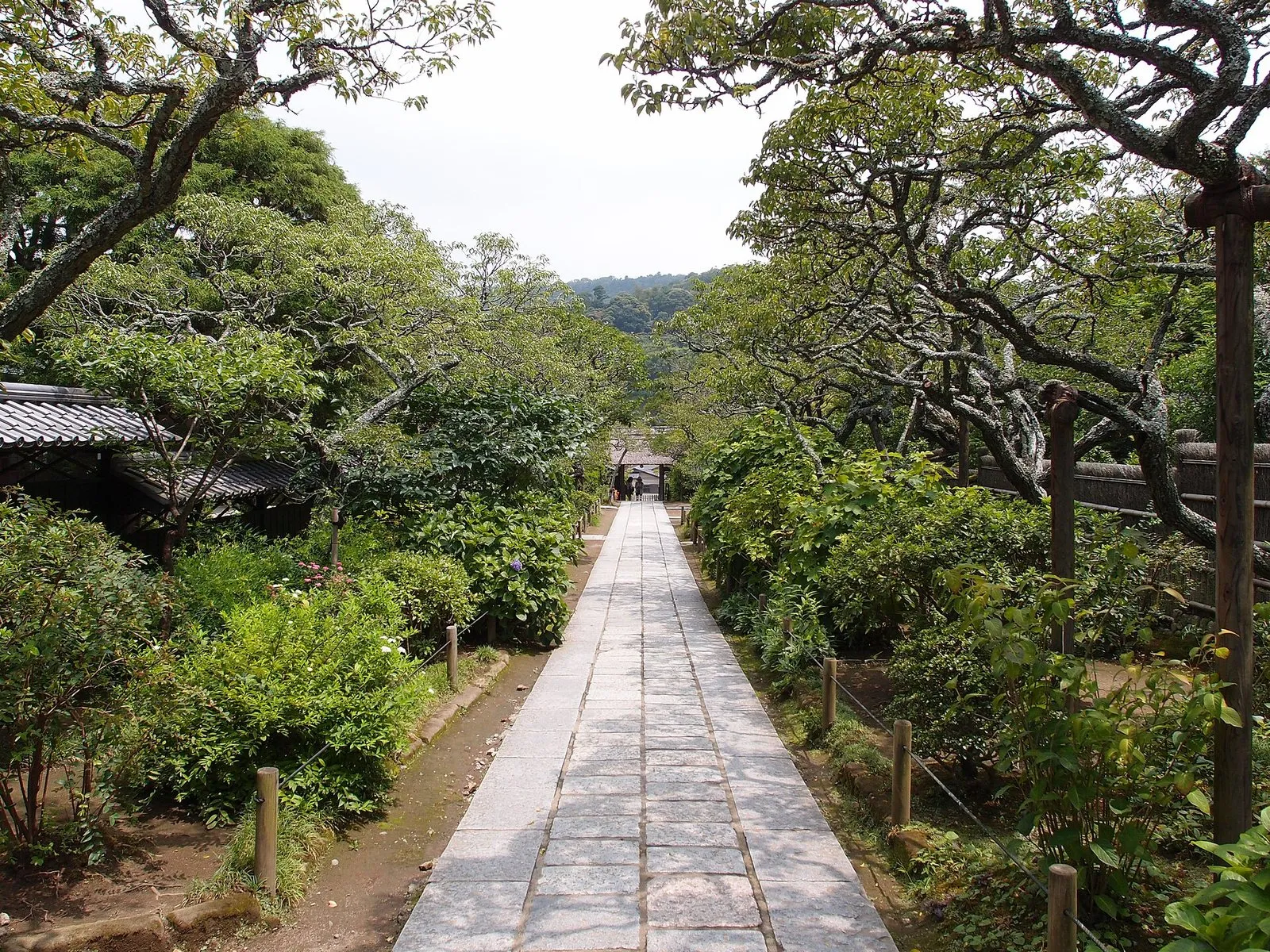
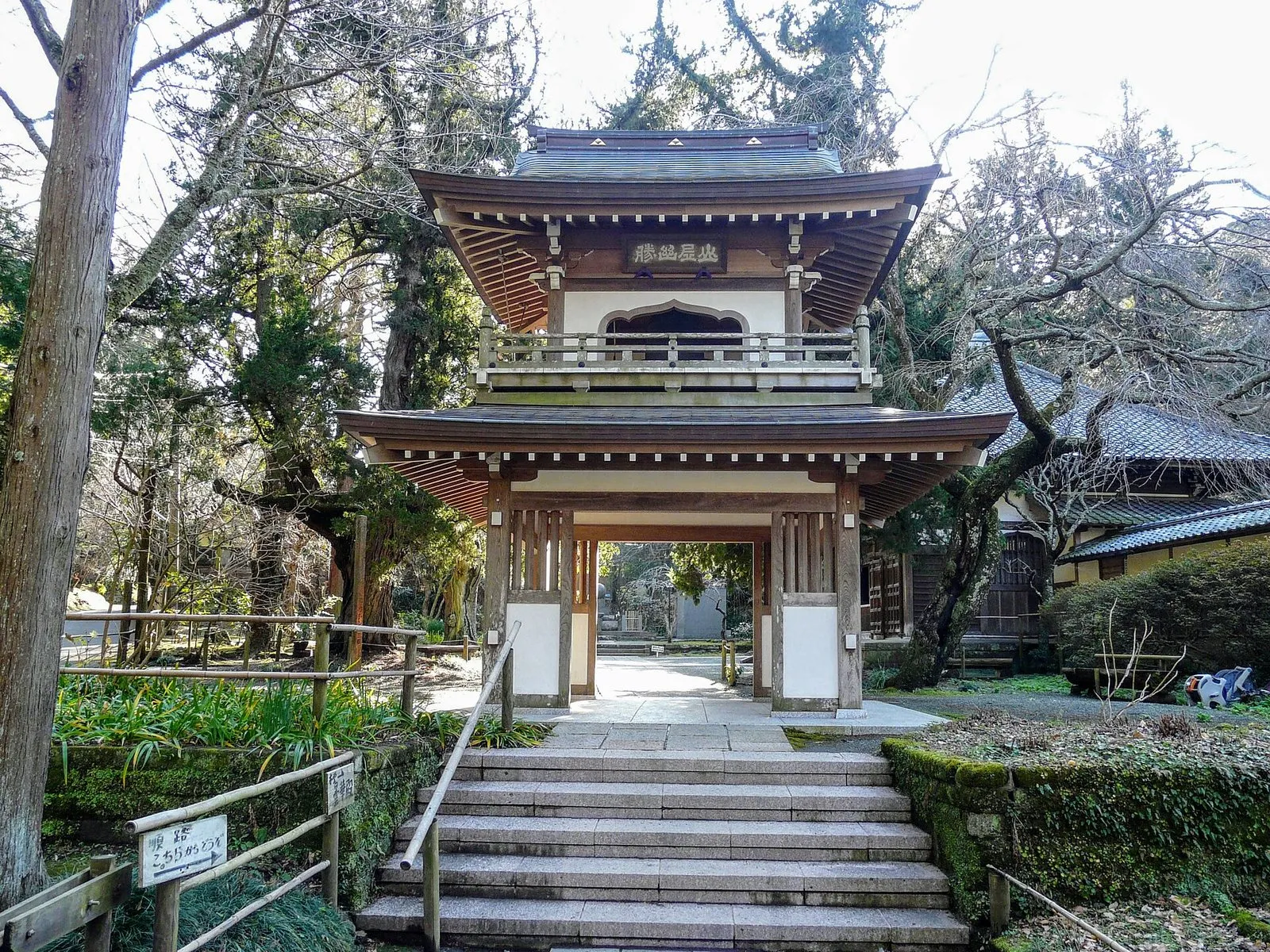
- 3JochijiKita-Kamakura・8 min walk from Kita-Kamakura StationFourth of Kamakura's five great Zen temples: a Chinese-style bell gate, a thatched study hall and a cave shrine to the smiling god Hotei at the back of the valley.
- 4MeigetsuinKita-Kamakura・10 min walk from Kita-Kamakura StationThe hydrangea temple: in June thousands of blue hydrangeas fill the grounds, a shade known as "Meigetsuin blue".
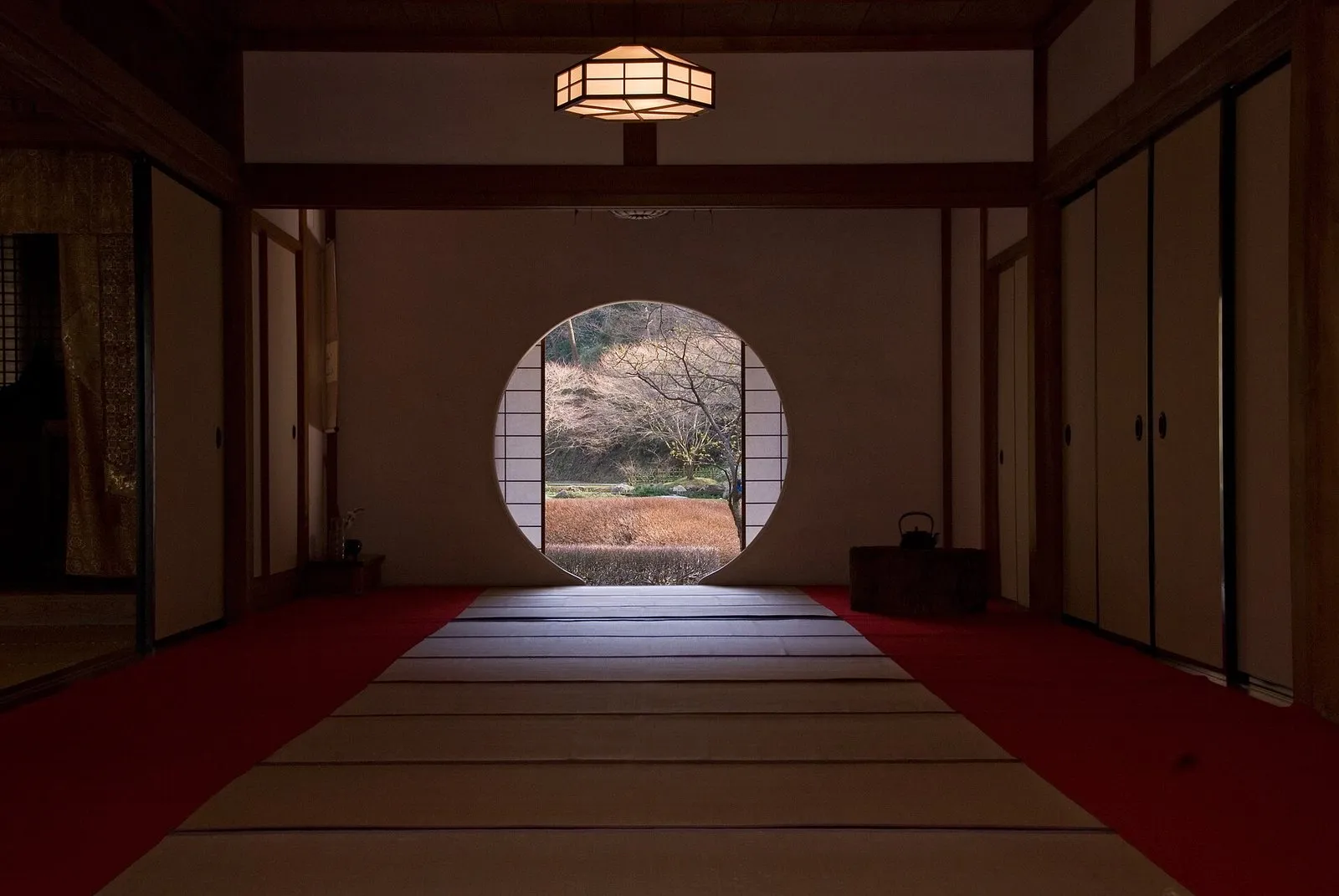
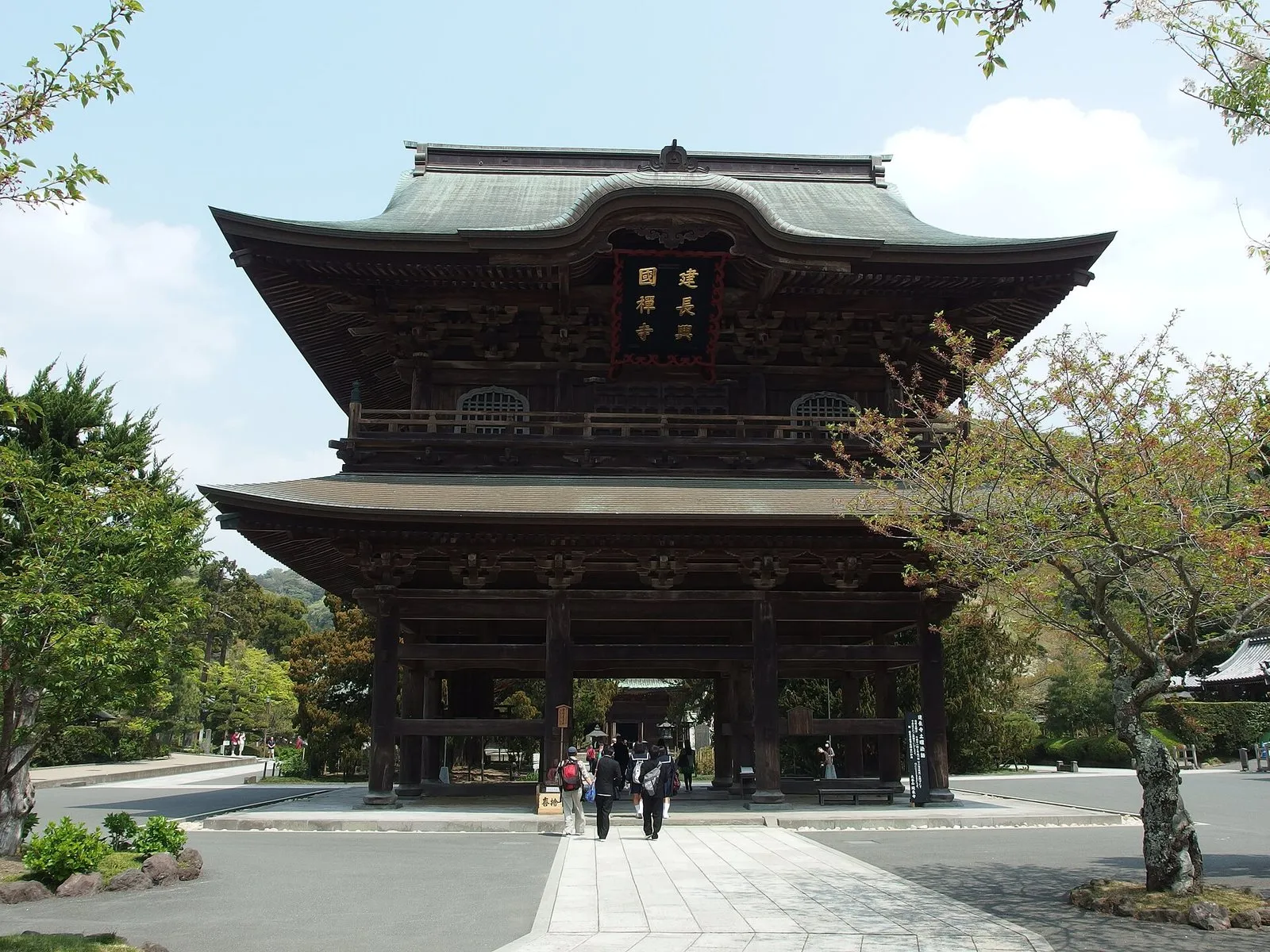
- 5KenchojiKita-Kamakura・15 min walk from Kita-Kamakura StationFirst of Kamakura's five great Zen temples and the first in Japan to call itself a Zen temple, with a National Treasure bell, a line of great halls and a path up to the hills.
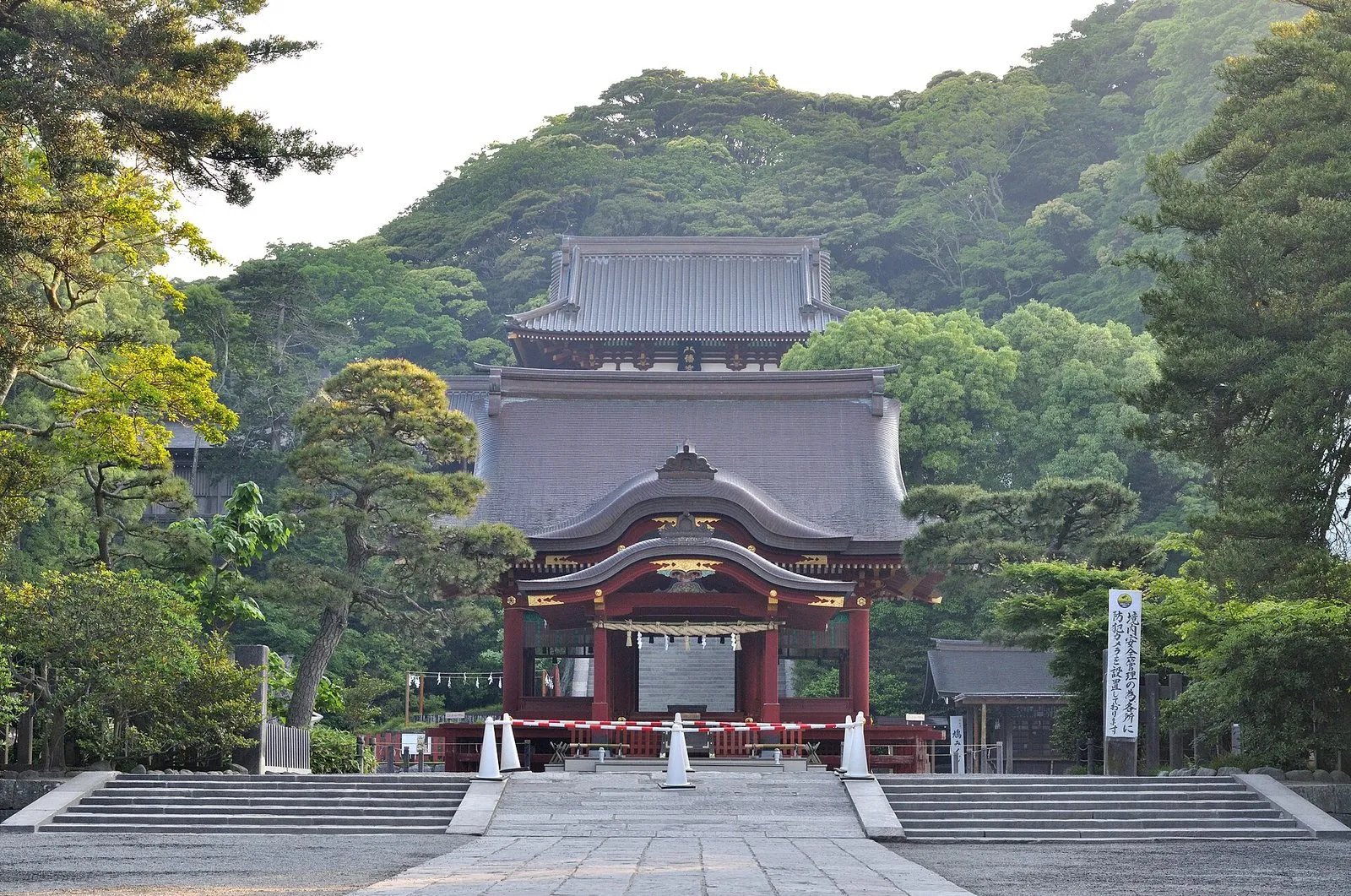
- 6Tsurugaoka HachimanguAround Kamakura Station・10 min walk from Kamakura StationThe shrine at the heart of Kamakura, tied to the shogun Minamoto no Yoritomo. From the main shrine at the top of the great stone stairs you look out over the town.
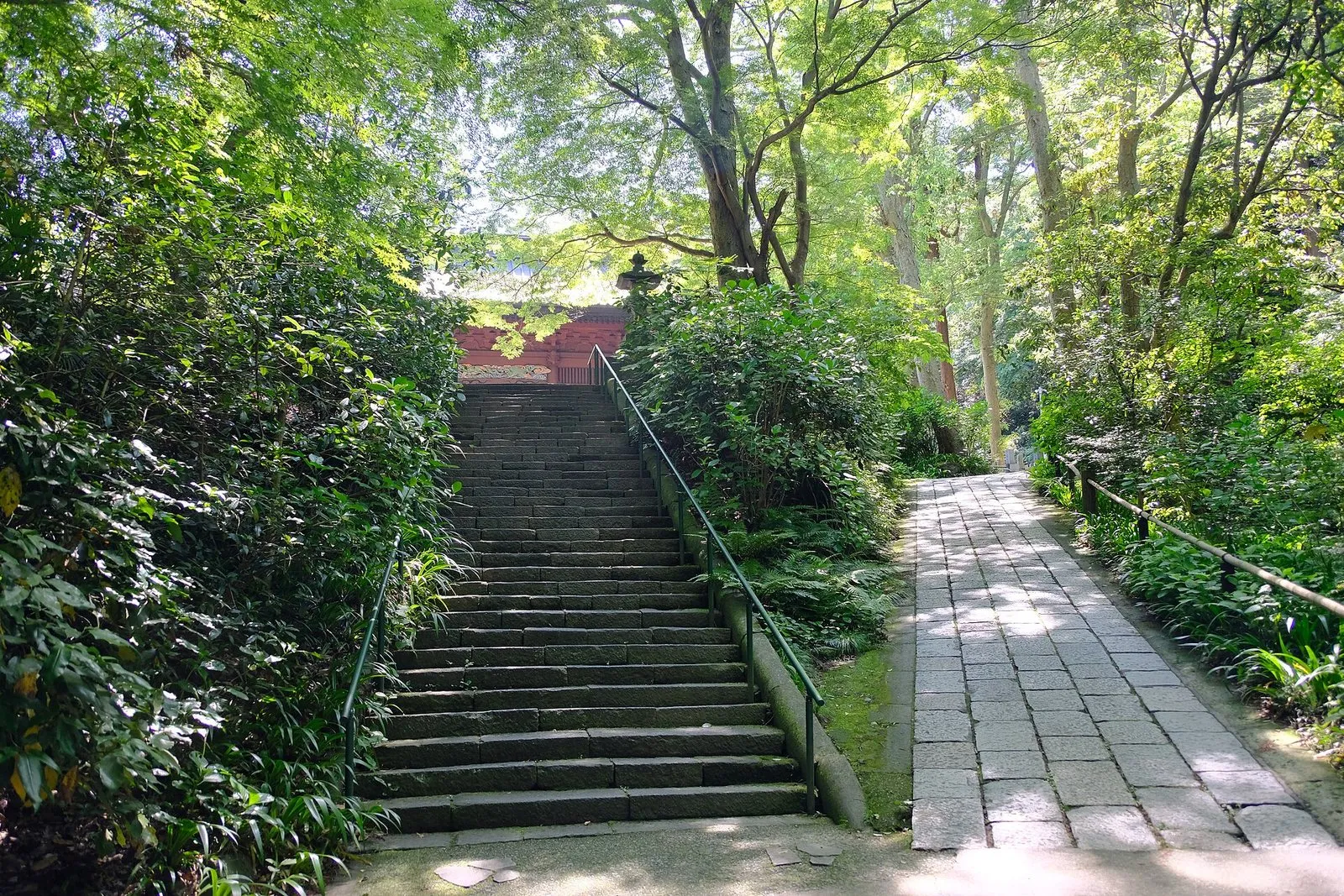
- 7MyohonjiAround Kamakura Station・8 min walk from Kamakura StationA quiet temple deep in the trees only eight minutes from the station, built on the estate of the Hiki clan; shaga irises and crabapple bloom in spring.
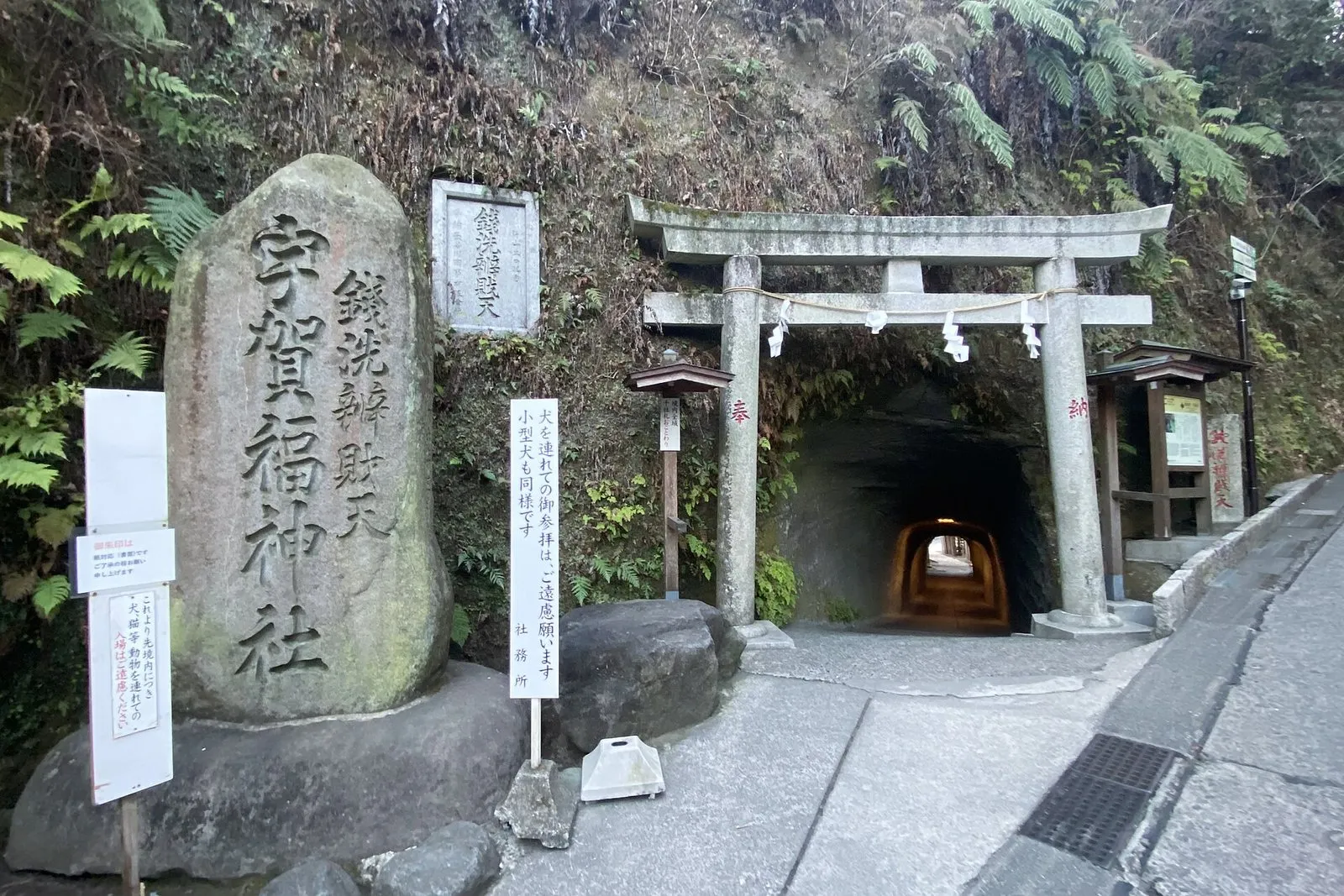
- 8Zeniarai BenzaitenAround Kamakura Station・About 1 km from Kamakura Station as the crow fliesThe shrine where people wash their money in a cave spring, said to make it multiply. A tunnel leads into a hollow ringed by rock and lined with donated torii gates.
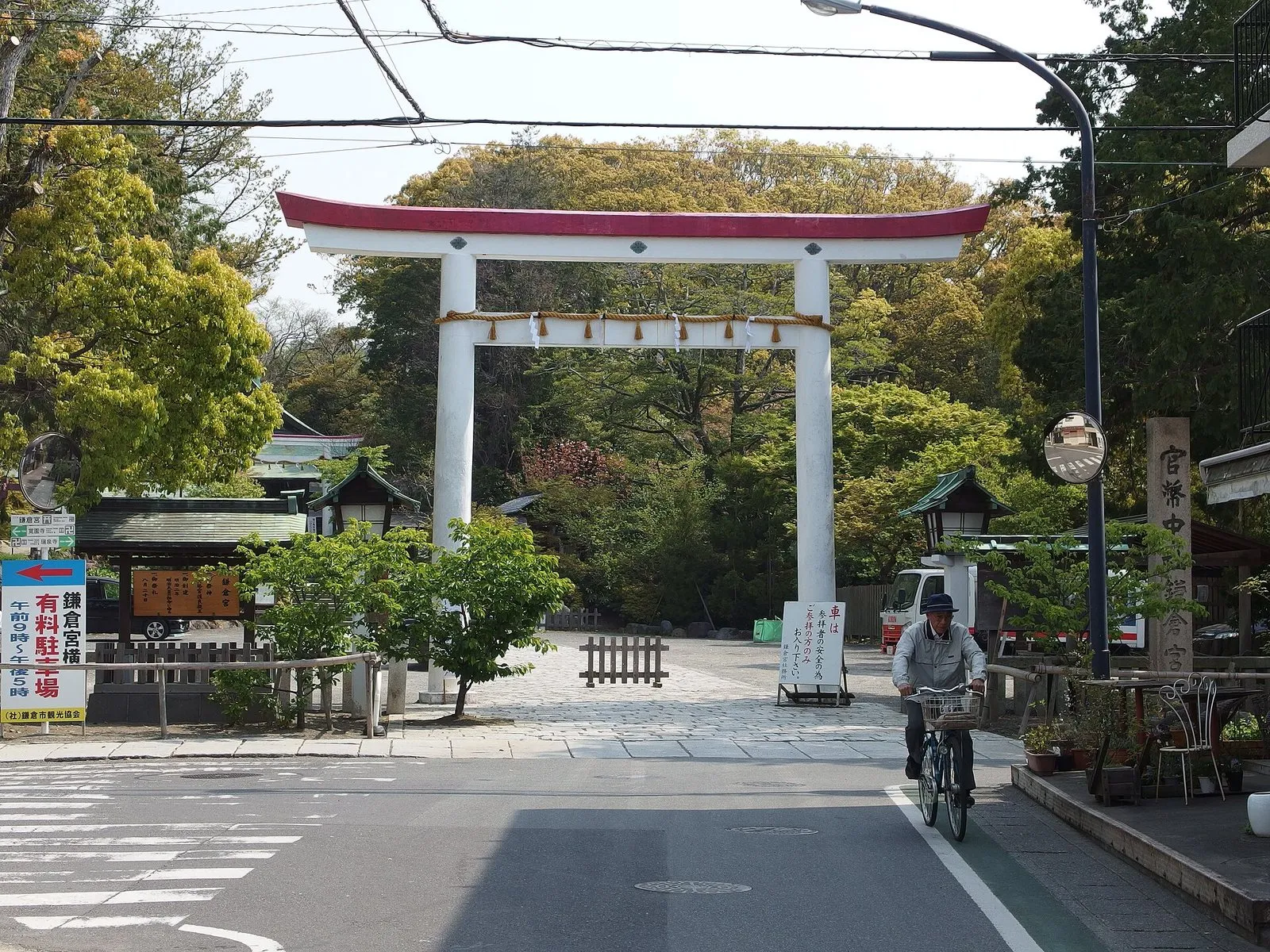
- 9Kamakuragu ShrineNikaido and Jomyoji (east)・Bus from Kamakura Station, stop in frontThe shrine to Prince Morinaga, imprisoned in Kamakura and killed at 28 in the civil wars of the 1330s, founded by order of the Meiji Emperor.
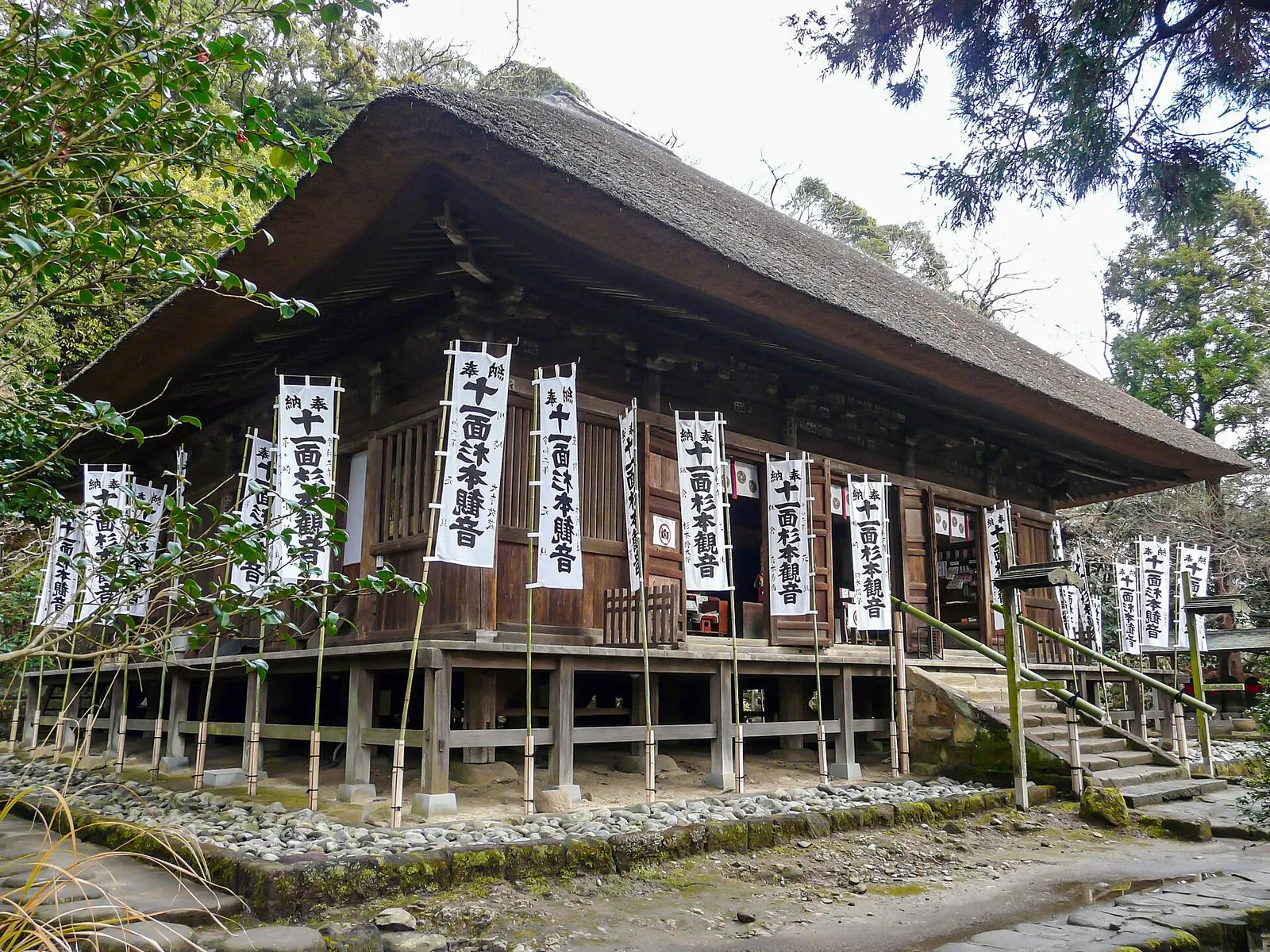
- 10SugimotoderaNikaido and Jomyoji (east)・25 min walk from Kamakura StationSaid to date from 734, the oldest temple in Kamakura, with a thatched hall at the top of a flight of mossy stone steps.
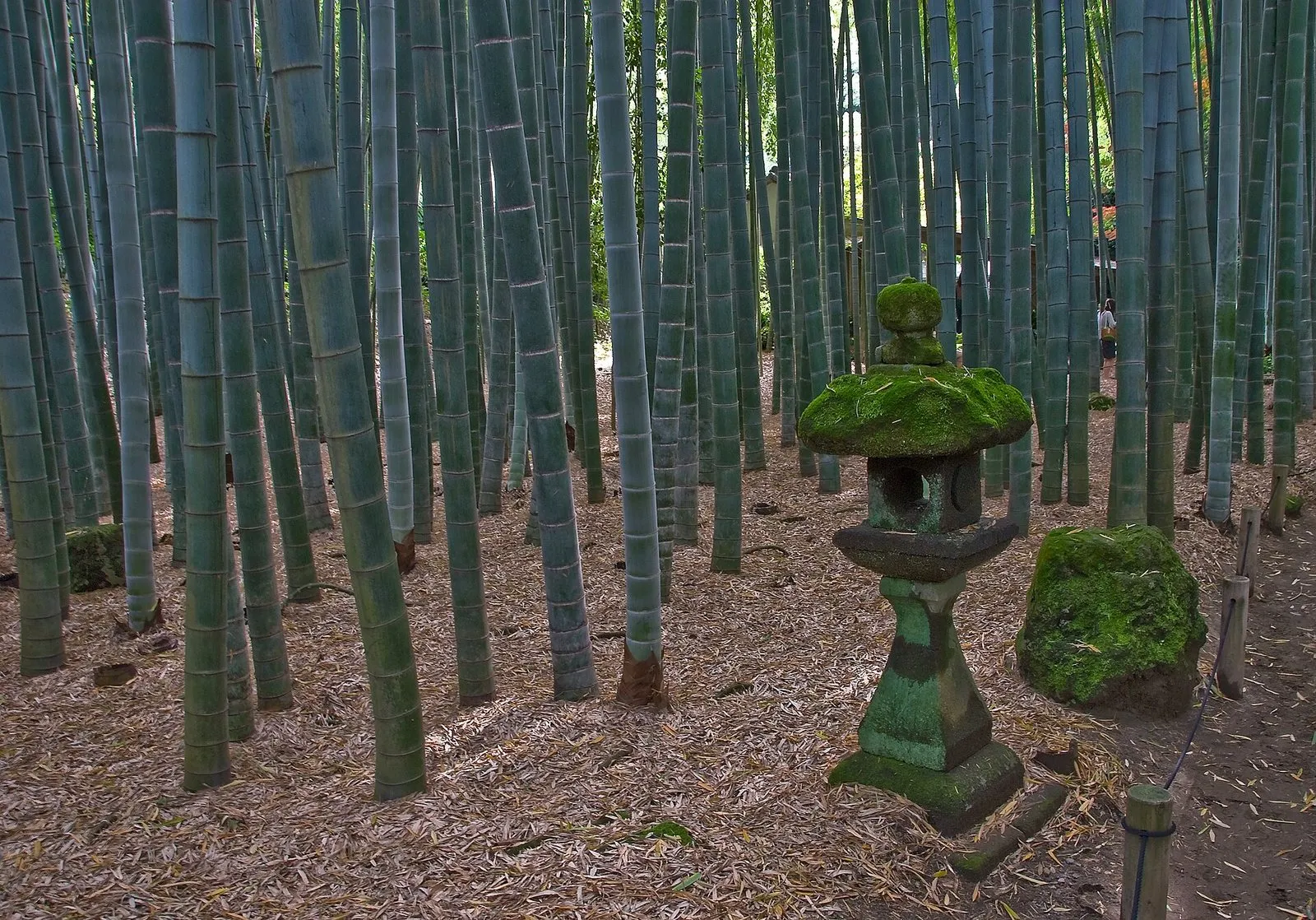
- 11HokokujiNikaido and Jomyoji (east)・12 min by bus + 3 min walk from Kamakura StationThe bamboo temple: about 2,000 tall moso bamboo in its garden, with a tea house where you can drink matcha looking out at the grove.
- 12Kotoku-in (Great Buddha)Hase and Gokurakuji・7 min walk from Hase StationHome of the Great Buddha of Kamakura, a National Treasure about 11.3 m tall, which you can even step inside (¥50).
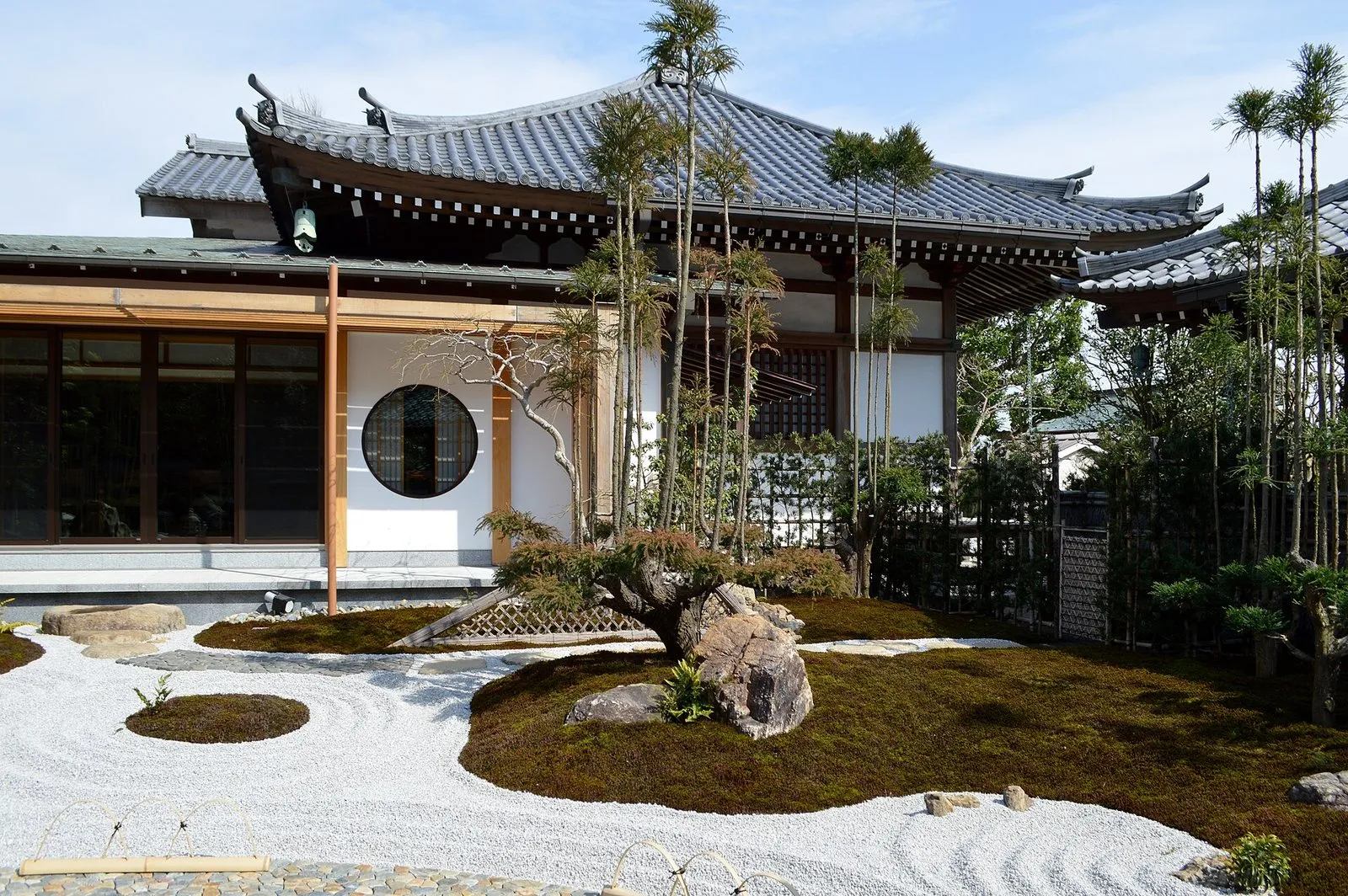
- 13HasederaHase and Gokurakuji・5 min walk from Hase StationHome to a 9.18 m Kannon, one of the largest wooden statues in Japan, with a hillside terrace looking over Yuigahama bay and a slope of hydrangeas in June.
- 14Goryo ShrineHase and Gokurakuji・About 300 m from Hase Station as the crow fliesAn old shrine, here before Yoritomo came to Kamakura, with the Enoden train running past its torii gate; locals call it Gongoro-sama.
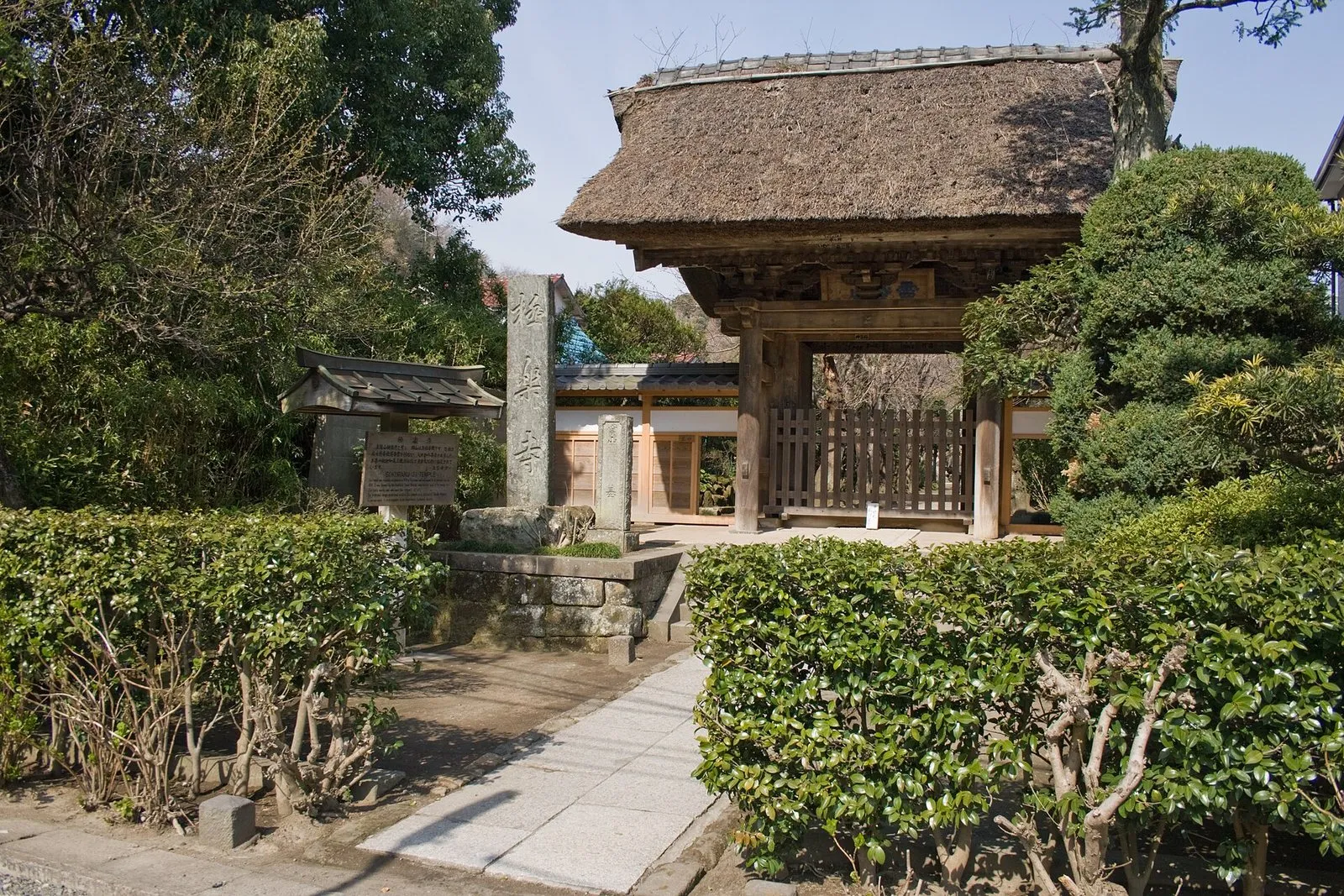
- 15GokurakujiHase and Gokurakuji・2 min walk from Gokurakuji StationKamakura's only temple of the Shingon Ritsu school, linked to the monk Ninsho who cared for the sick, with a cherry tree that bears single and double blossoms together.
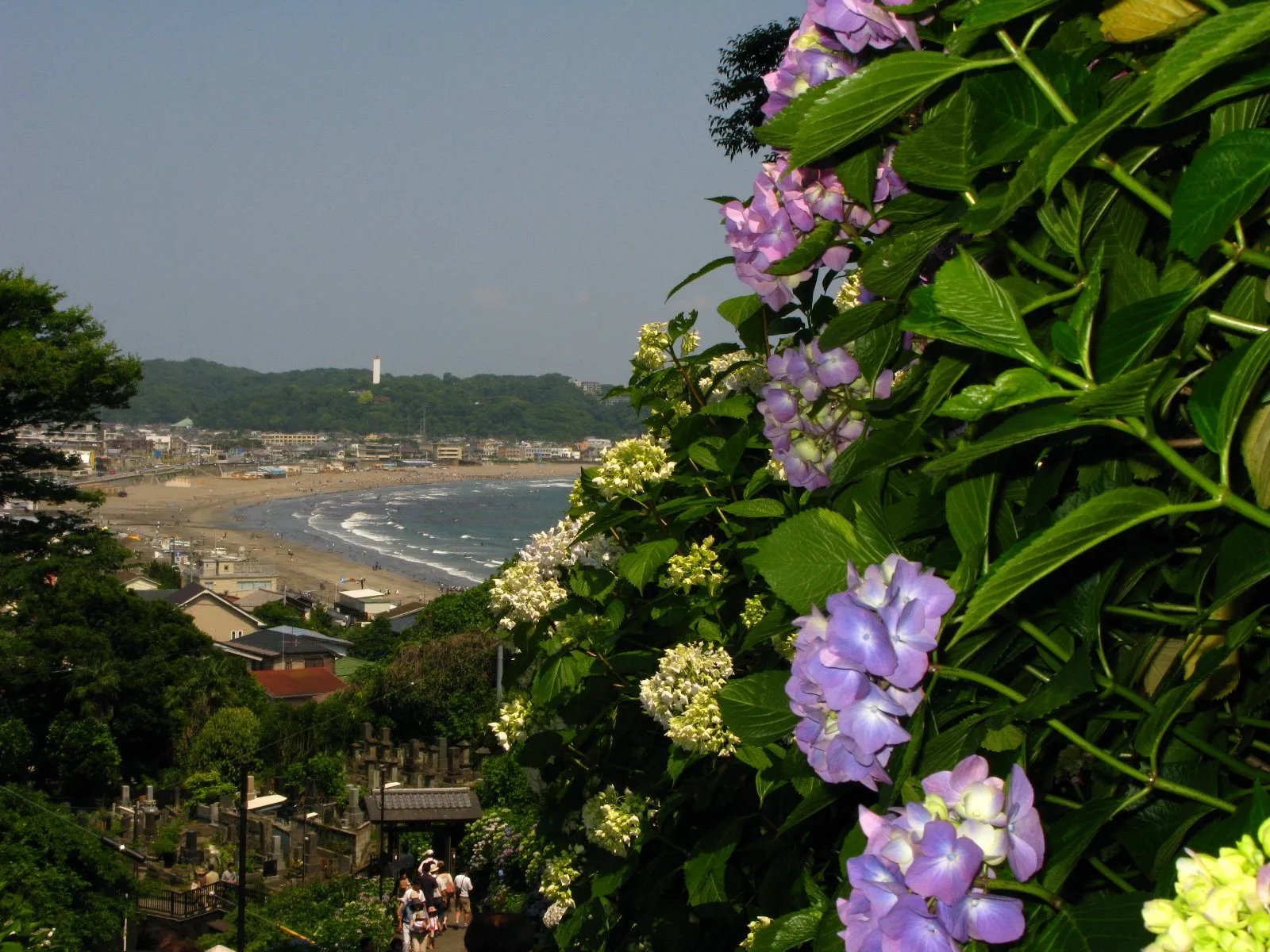
- 16JojuinHase and Gokurakuji・3 min walk from Gokurakuji StationA hilltop temple at the top of 108 steps, known for its view down to Yuigahama bay and a Fudo Myoo visited for good matches.
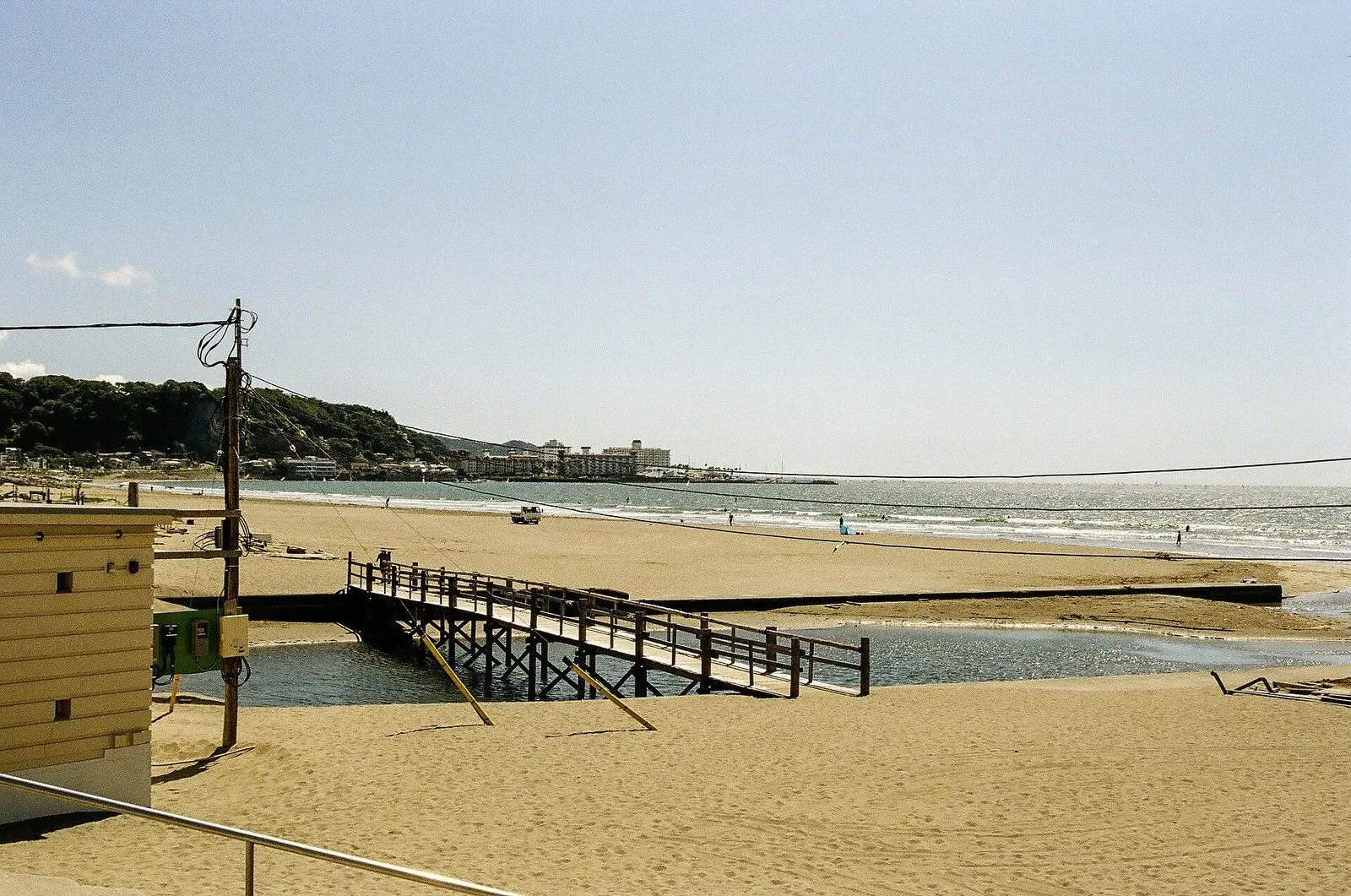
- 17Yuigahama BeachHase and Gokurakuji・5 min walk from Yuigahama StationKamakura's busiest beach, within walking distance of the station; in summer it becomes a swimming beach lined with beach huts.
Kamakura was Japan’s capital in the 12th and 13th centuries, and it still feels like a temple town tucked between green hills and the sea. An hour from Tokyo, you can see a giant bronze Buddha, walk through a bamboo grove, ride a little seaside railway, and end the day on Enoshima, a small island with shrines, caves and a lighthouse tower. This guide covers the direct trains from Tokyo, which pass to buy, the sights worth your time, and how to visit politely in a town that gets very busy.
Prices and times were checked on official pages in October 2026. Fares change, so confirm before you travel.
Why visit Kamakura & Enoshima
Few day trips from Tokyo pack in this much variety. Kamakura has more than a hundred temples and shrines, from the grand Tsurugaoka Hachimangu to small Zen temples hidden in the valleys. The Enoden, a one-track railway, rattles along the coast between Kamakura and Fujisawa, past beaches and through backyards. At its far end, Enoshima rises out of the sea, linked to the mainland by a bridge.
Everything is close together, so you can see a lot in one day — as long as you start early.
How to get to Kamakura & Enoshima from Tokyo
JR to Kamakura (fastest)
- From Tokyo Station: the JR Yokosuka Line runs direct to Kamakura. The fastest scheduled run is 55 minutes, and trains are frequent.
- From Shinjuku: the JR Shonan-Shinjuku Line runs direct to Kamakura in about an hour, though less often.
A Suica or PASMO card is all you need; no reservation.
Odakyu to Enoshima
- The Odakyu Romancecar runs from Shinjuku direct to Katase-Enoshima in just over an hour, but only a few trains a day. The limited express surcharge is ¥750 (adult) on top of the fare.
- Regular Odakyu trains run to Fujisawa, where you change to the Enoden or continue on Odakyu to Katase-Enoshima.
Which pass to buy
| Pass | Adult | Valid | What it covers |
|---|---|---|---|
| Enoshima-Kamakura Freepass (Odakyu, from Shinjuku) | ¥1,640 | 1 day | Round trip on Odakyu to Fujisawa, unlimited Enoden, and Odakyu between Fujisawa and Katase-Enoshima |
| Enoden 1-day pass “Noriorikun” | ¥800 | 1 day | Unlimited rides on the whole Enoden line |
- The Freepass is the best deal if you start from Shinjuku or another Odakyu station and do the coast. It doesn’t include the Romancecar; with the ¥750 surcharge, the total is ¥2,390. Buy it on Odakyu’s EMot (digital) or as a paper ticket.
- Noriorikun suits travelers arriving on JR who plan to hop on and off the Enoden several times. It’s sold at ticket machines at every Enoden station, or digitally on EMot (smartphone only), and gives perks at about 50 shops and sights.
Getting around
- Enoden: Kamakura to Hase (for the Great Buddha and Hasedera) is three stops, about 7 minutes. The whole line to Fujisawa takes a little over half an hour. It’s often packed on weekends.
- Bus: buses from Kamakura Station’s East Exit reach the Great Buddha (Daibutsu-mae) in about 10 minutes.
- On foot: Tsurugaoka Hachimangu is a 10-minute walk from Kamakura Station along Komachi-dori, a shopping street of about 250 shops. The Zen temples of Kita-Kamakura are one JR stop back toward Tokyo.
Top things to see
Kotoku-in (the Great Buddha)
Temple- Price
- 💴 ¥300 (+¥50 to go inside)
- Area
- 📍 7 min walk from Hase Station (Enoden)
The bronze Amida Buddha that has sat in the open air since its hall was washed away centuries ago. You can step inside the statue for a small extra fee. Open 8:00–17:30 from April to September and 8:00–17:00 from October to March.
Hasedera
Temple- Price
- 💴 ¥400
- Area
- 📍 Near Hase Station (Enoden)
A hillside temple with a tall wooden Kannon statue, a cave of carved deities, and a terrace looking over the sea. Famous for hydrangeas in June. Open 8:00–17:30 from April to June and 8:00–17:00 the rest of the year (last entry 30 minutes before closing).
Tsurugaoka Hachimangu
Shrine- Area
- 📍 10 min walk from Kamakura Station
Kamakura’s grand central shrine, founded by the family of the first shogun, at the top of a long approach from the sea. Walk up via Komachi-dori.
Hokokuji (the bamboo temple)
Zen temple- Price
- 💴 ¥400 (matcha ¥600)
- Area
- 📍 East of central Kamakura (bus or 30 min walk)
A small Zen temple with a grove of tall bamboo and a tea house where you can drink matcha looking into it. Open 9:00–16:00; closed December 29 to January 3 and sometimes in bad weather.
Engakuji
Zen temple- Price
- 💴 ¥500
- Area
- 📍 Next to Kita-Kamakura Station (JR)
One of Kamakura’s great Zen temples, spread up a wooded valley right beside the station. Open 8:00–17:00 from April to November and 8:00–16:00 from December to March.
Enoshima Sea Candle & Samuel Cocking Garden
Island viewpoint- Price
- 💴 Tower ¥800
- Area
- 📍 Top of Enoshima
A lighthouse observation tower on top of the island, looking out over Sagami Bay — and to Mt. Fuji on clear days. Open 9:00–20:00 (last entry 19:30). The garden around it is free until 17:00. The “Enoshima Escar” outdoor escalators (¥500 for all three sections) save the climb.
Iwaya Caves & Enoshima Shrine
Caves & shrine- Price
- 💴 Caves ¥500
- Area
- 📍 Enoshima (far side of the island)
Sea-carved caves at the island’s tip, lit by candles, connected to legends of the goddess Benzaiten. The shrine buildings line the path up the island. In calm weather, the small Benten-maru boat (¥400) shortcuts back to the bridge.
Visiting politely: Kamakura’s manners rules
Kamakura is small and busy, and since 2019 the city has had a manners ordinance. There are no fines, but it asks visitors not to:
- stand in the road to take photos,
- photograph from dangerous spots beside the railway tracks, or
- eat while walking in narrow or crowded places (walking and eating isn’t banned in itself — just step aside).
The railway crossing by Kamakura-Kokomae Station, famous from anime, is the hot spot. Take photos from the sidewalk or the nearby park, follow staff and signs, and never step onto the road or the tracks.
A one-day plan
- Morning: JR to Kita-Kamakura for Engakuji, then walk or ride one stop to Kamakura.
- Late morning: Komachi-dori and Tsurugaoka Hachimangu.
- Lunch: around Kamakura Station or Hase.
- Afternoon: Enoden to Hase for the Great Buddha and Hasedera, then along the coast to Enoshima.
- Sunset: Enoshima’s Sea Candle or the island’s western shore; Odakyu or JR back to Tokyo.
Where to stay
- Kamakura Station area — the most convenient for temples, and quiet once the day-trippers leave.
- Enoshima / Katase — by the sea, with sunset views and early access to the island.
- Fujisawa — a larger city at the far end of the Enoden, with more and often cheaper hotels and fast trains to Tokyo.
When to visit
- June is hydrangea season, Kamakura’s busiest time — Hasedera’s hydrangea path can mean long waits. Go on a weekday morning.
- Autumn brings maple color in the temple valleys, usually late November to early December.
- Weekends and Golden Week (late April to early May) are crowded; the city even posts staff on Komachi-dori to manage foot traffic. Weekdays are far calmer.
Kamakura & Enoshima FAQ
How do I get from Tokyo to Kamakura?
Take the JR Yokosuka Line from Tokyo Station direct to Kamakura (fastest 55 minutes), or the JR Shonan-Shinjuku Line from Shinjuku. No reservation is needed; tap in with Suica or PASMO.
Can I see Kamakura and Enoshima in one day?
Yes, if you start early. Do Kamakura's temples in the morning, then ride the Enoden along the coast to Enoshima for the afternoon and sunset.
Is the Enoshima-Kamakura Freepass worth it?
Yes, if you start from Shinjuku or another Odakyu station and ride the Enoden. At ¥1,640 it covers the Odakyu round trip and unlimited Enoden rides for the day. It doesn't include the Romancecar.
Can you go inside the Great Buddha?
Yes. Entry to the statue's interior costs ¥50 on top of the ¥300 temple admission, until 16:30.