Nikko Guide: Shrines, Waterfalls & Trains from Tokyo
Updated October 21, 2026 · Prices checked October 20, 2026
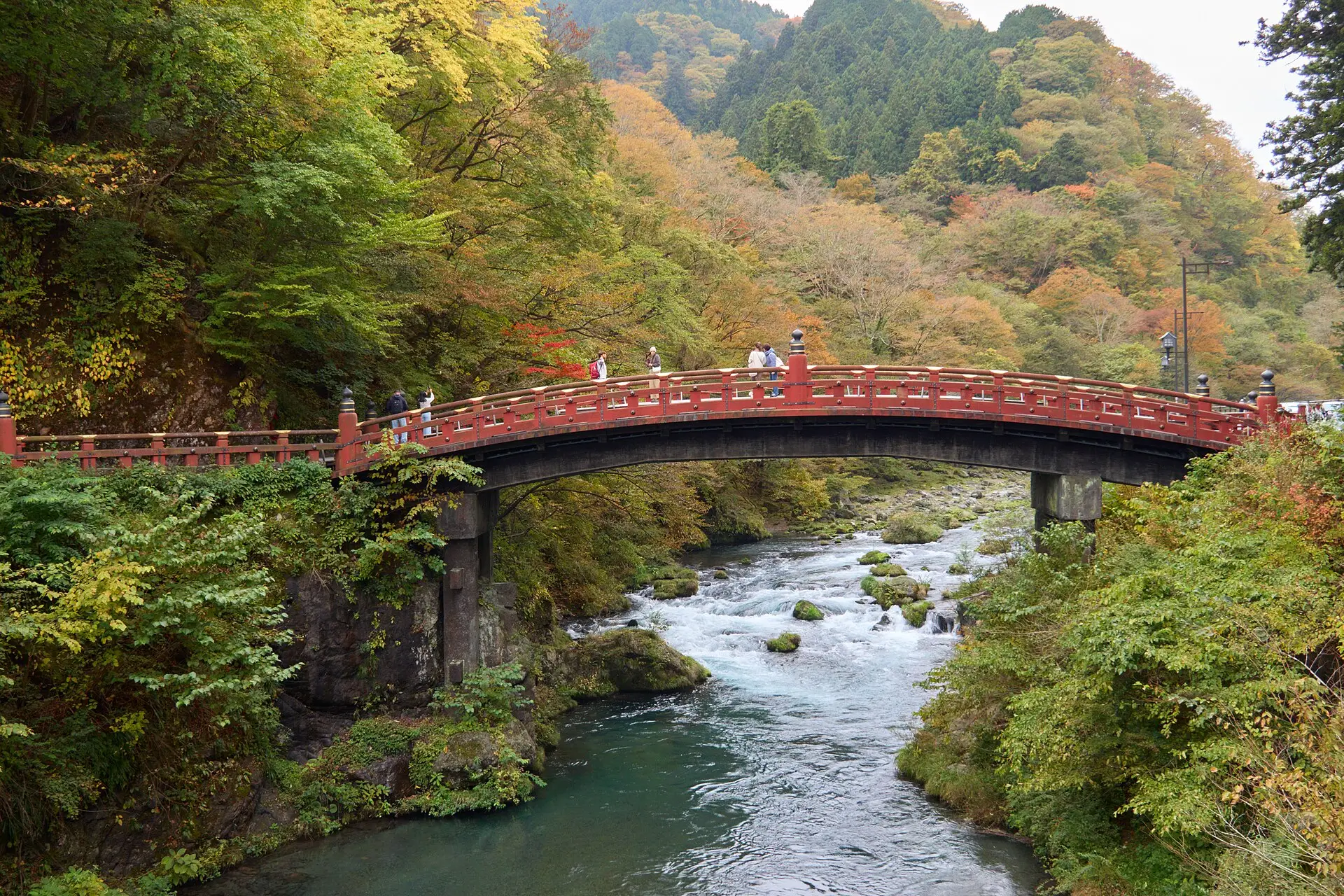
Shinkyo, the vermilion bridge at the entrance to Nikko's shrines Photo: lumoplank・CC0
Tours and tickets
Guided walks, day trips and attraction tickets, with reviews from other travelers.
Nikko sights on a map
13 sights · checked on official sites (2026-10-24)
Station and shrine area
Lake Chuzenji area (about 50 min by bus)
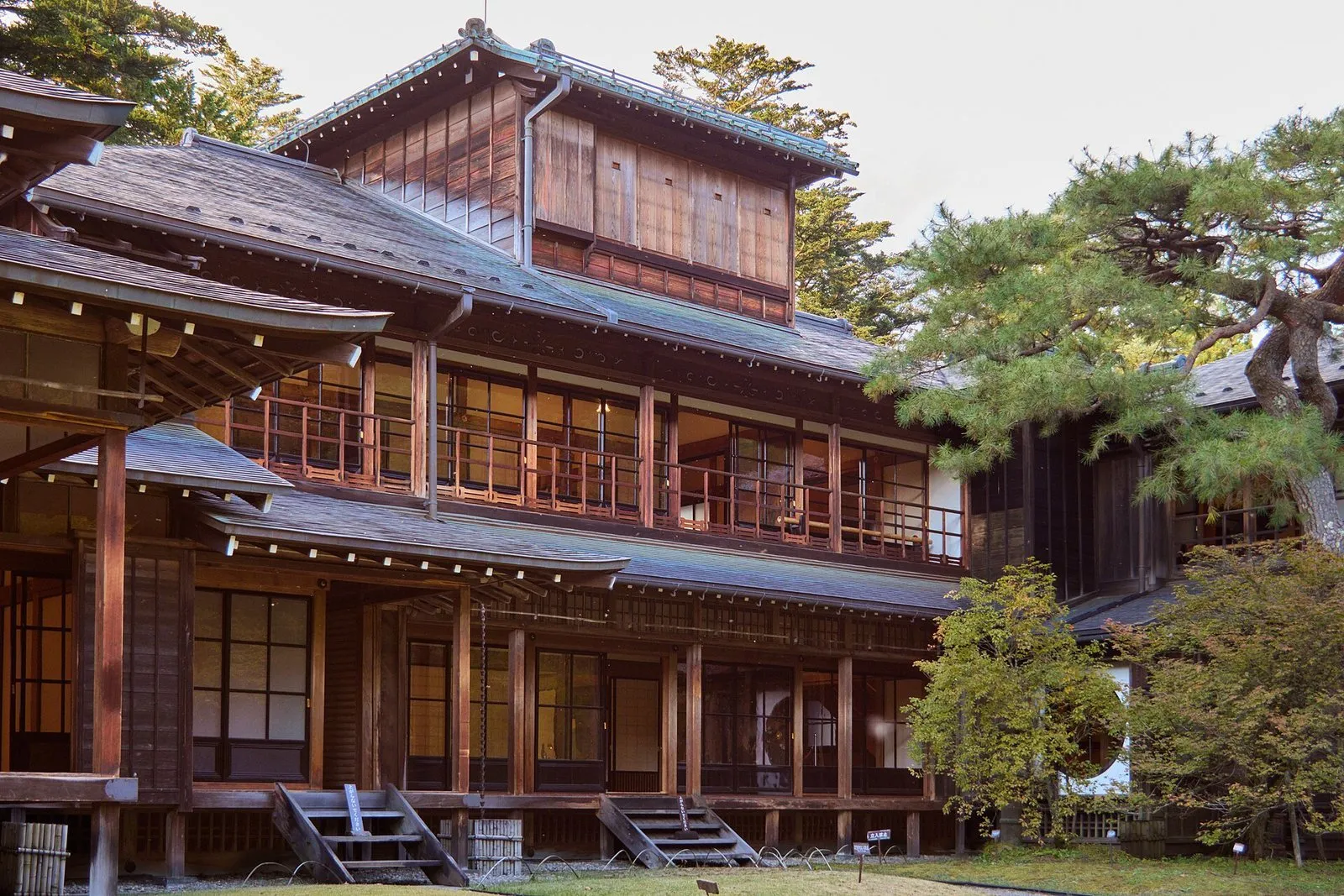
- 1Nikko Tamozawa Imperial Villa Memorial ParkNear the Nikko stations・About 9 minutes by bus from the stations; the stop is right by the parkThe former villa used by emperors and crown princes from the Meiji era until 1947. You can visit the large wooden main building with its 106 rooms.
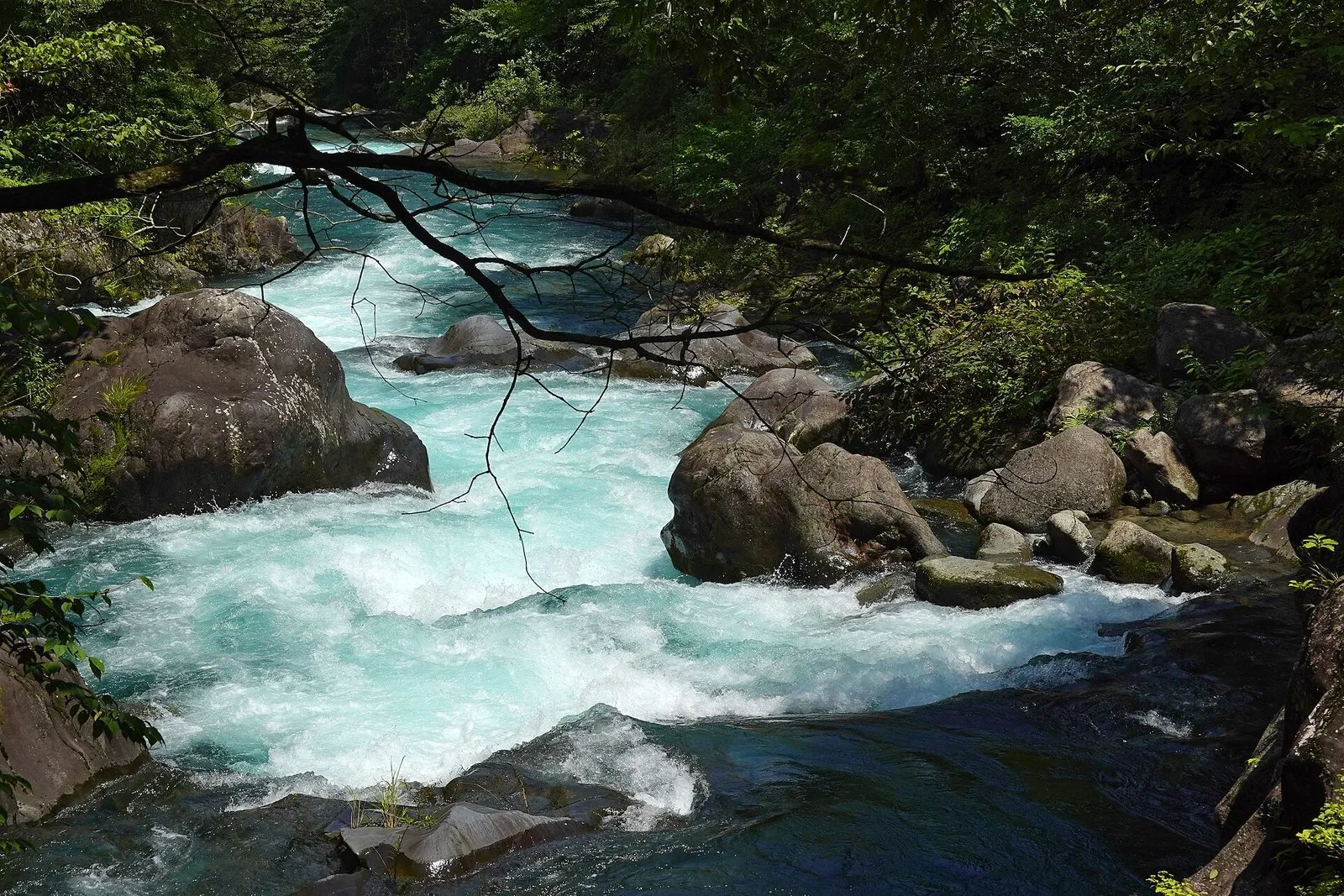
- 2Kanmangafuchi AbyssNear the Nikko stations・About 8 minutes by bus, then a 20-minute walkA small gorge where the Daiya River runs between rocks formed by lava. A row of stone Jizo statues is said to change in number every time you count them.
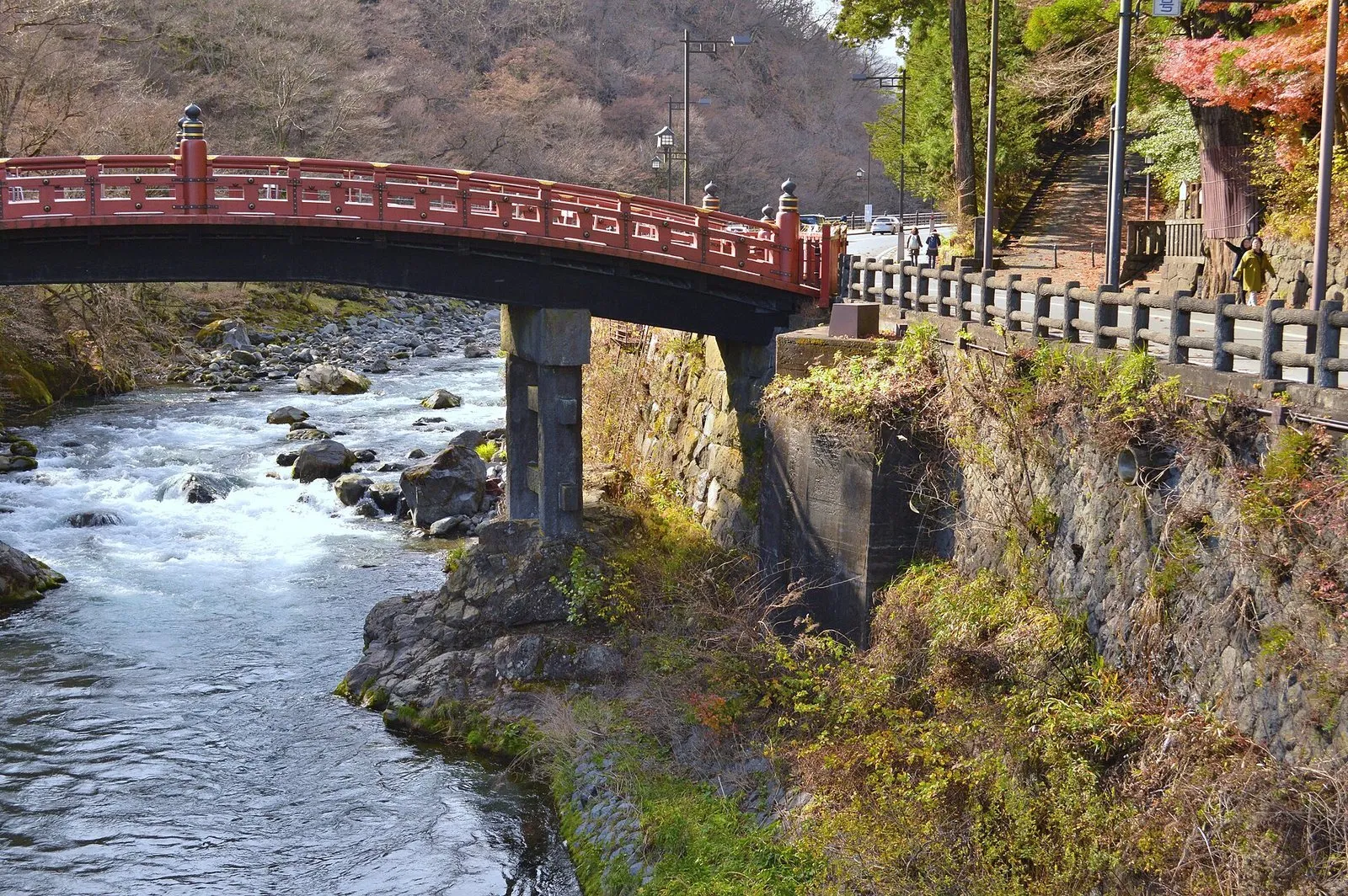
- 3Shinkyo BridgeShinkyo Bridge and the shrines and temples・20 min walk from Tobu-Nikko / JR Nikko StationA red-lacquered wooden bridge at the entrance to the Nikko shrines and temples. It belongs to Futarasan Shrine and is part of the World Heritage site.
- 4Rinnoji Temple (Sanbutsudo Hall)Shinkyo Bridge and the shrines and temples・About 9 minutes by World Heritage bus from the stationsThe main temple of the Nikko mountain complex. Its hall, Sanbutsudo, is the largest wooden building in eastern Japan and holds three huge seated Buddhas about 7.5 m tall.
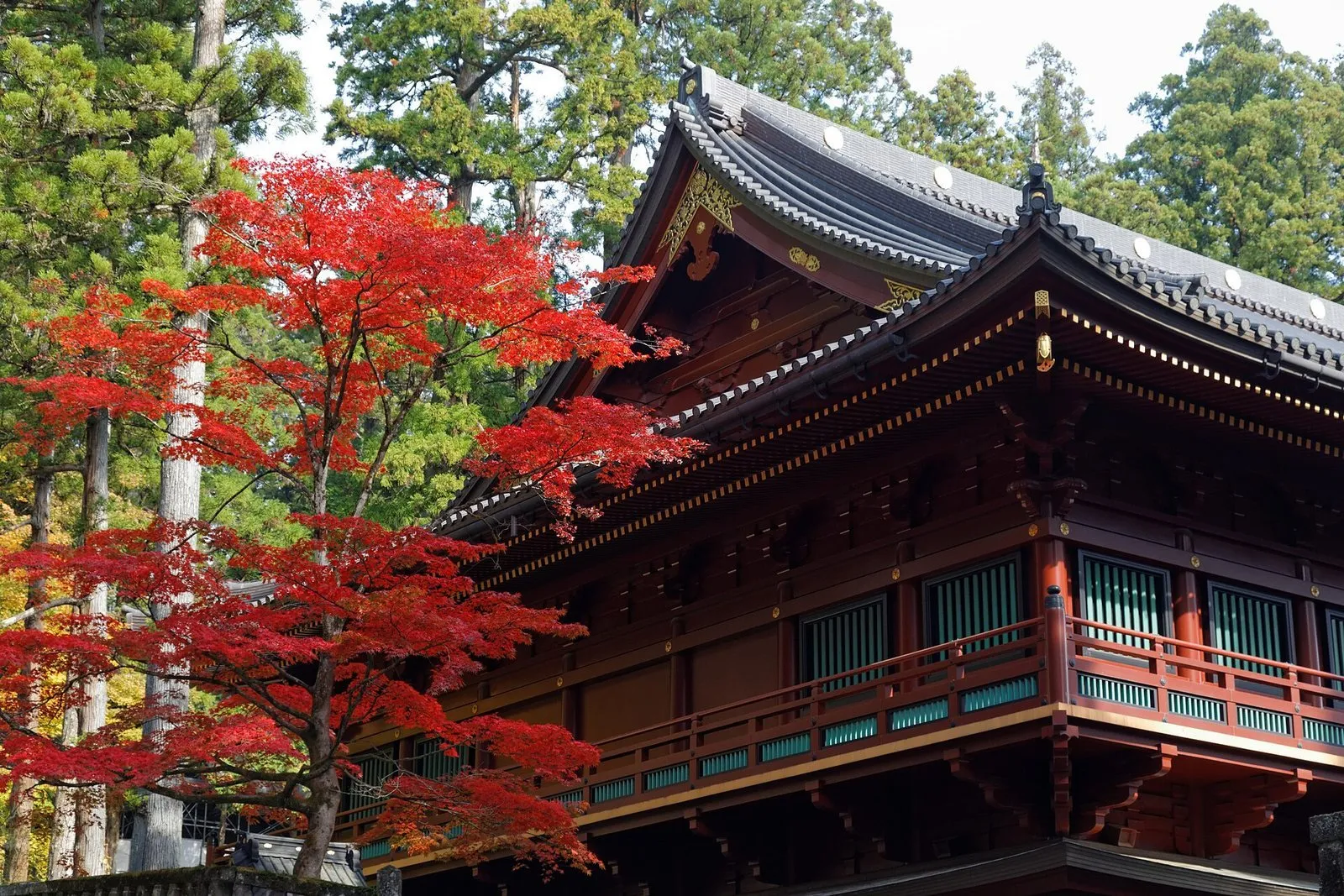
- 5Nikko Futarasan ShrineShinkyo Bridge and the shrines and temples・About 15 minutes by World Heritage bus from the stationsThe old shrine where Nikko's mountain worship began. It honours Mt. Nantai as its sacred body and is known for matchmaking blessings.
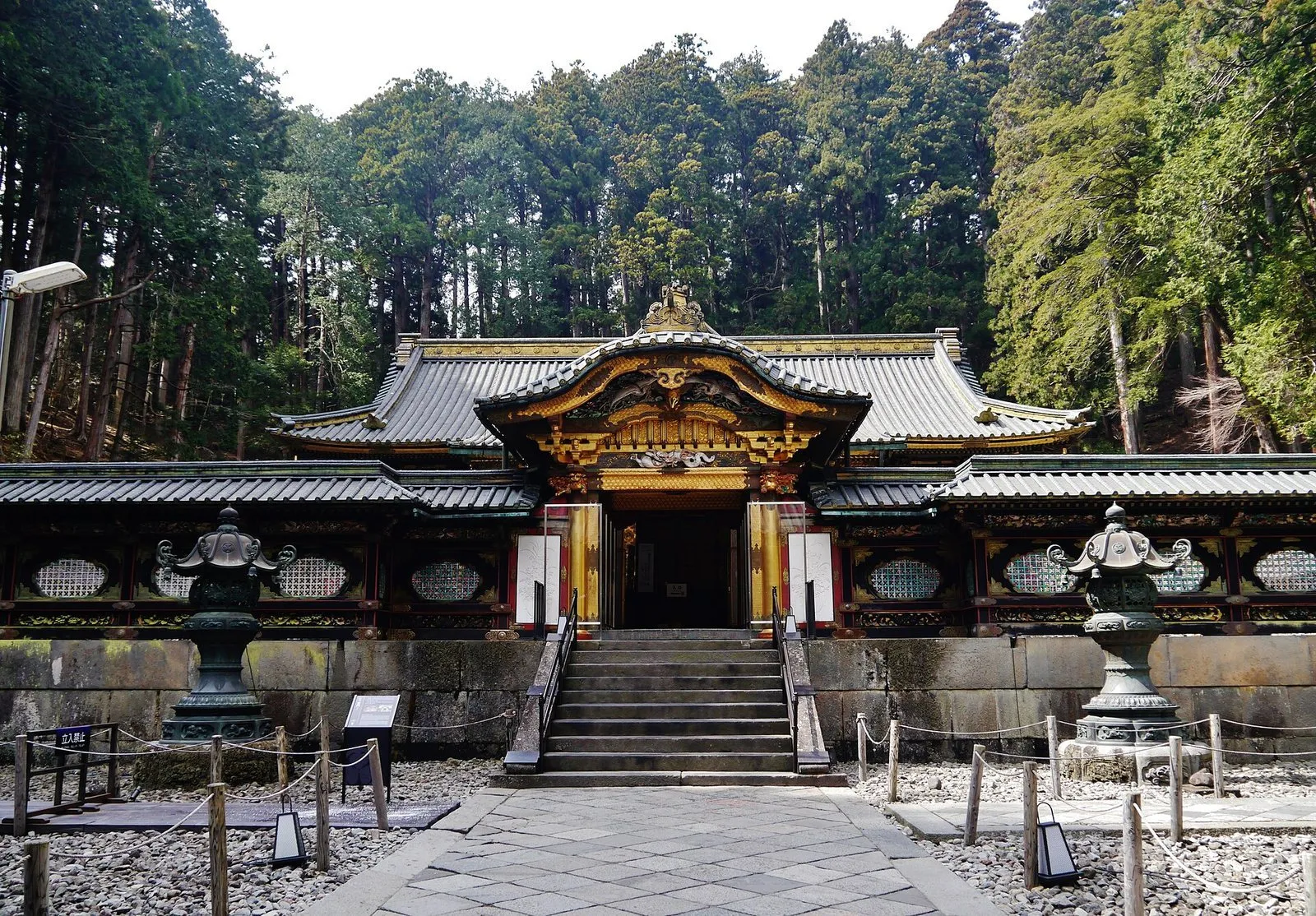
- 6Taiyuin Mausoleum (Rinnoji)Shinkyo Bridge and the shrines and temples・About 15 minutes by World Heritage bus from the stationsThe mausoleum of the third shogun, Tokugawa Iemitsu. Gold and black give it a calm, solemn look, and gate after gate leads you up to the shrine.
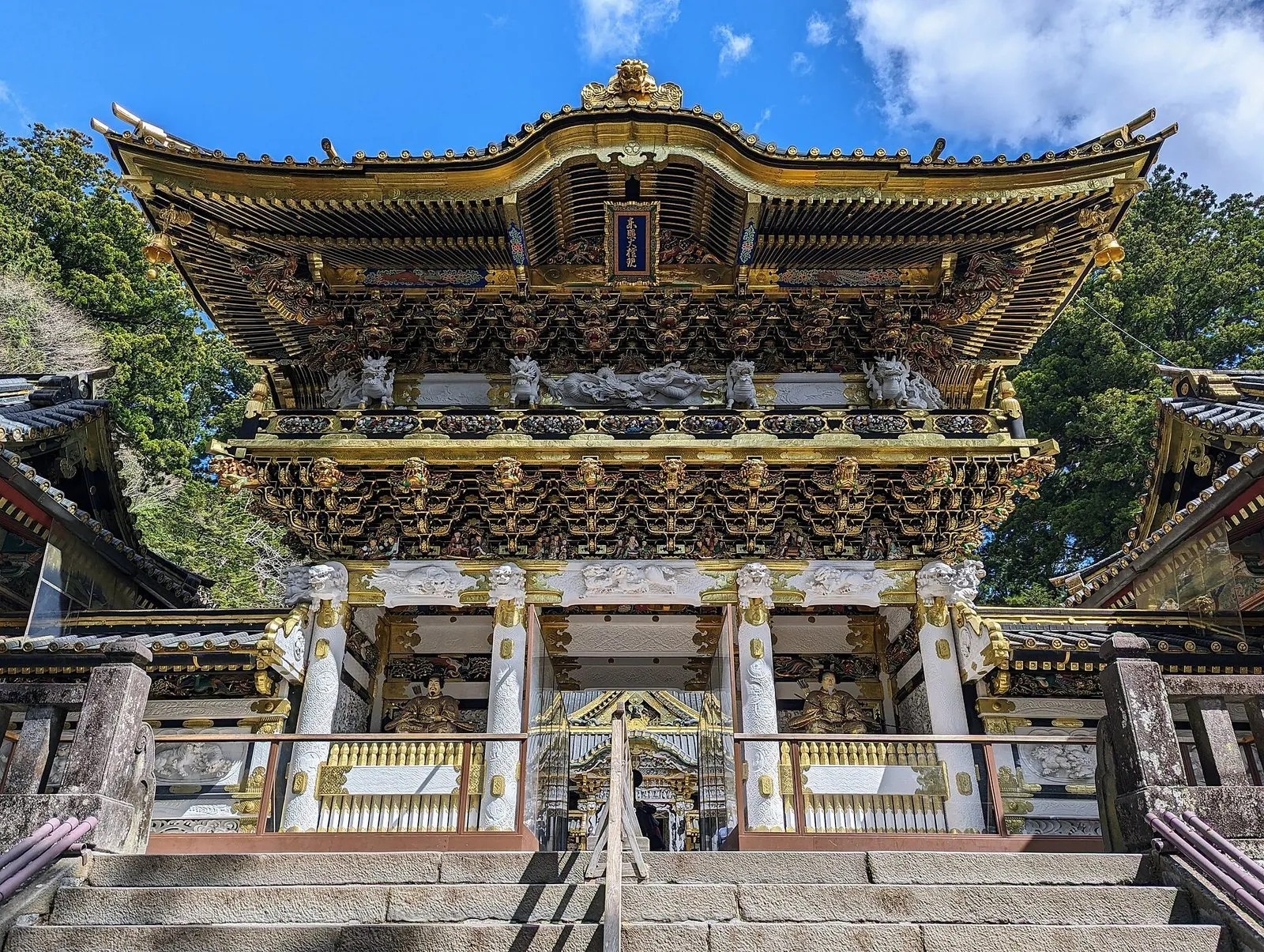
- 7Nikko Toshogu ShrineShinkyo Bridge and the shrines and temples・About 10 minutes by World Heritage bus, then a 5-minute walkThe shrine to Tokugawa Ieyasu, founder of the Edo shogunate. Its richly carved and gilded halls are a World Heritage site.
- 8Akechidaira LookoutIrohazaka road and Chuzenji Onsen・About 40 minutes by bus; the ropeway is closedA viewpoint partway up the Irohazaka road. From the lookout, reached by ropeway, you see Kegon Falls, Lake Chuzenji and Mt. Nantai.
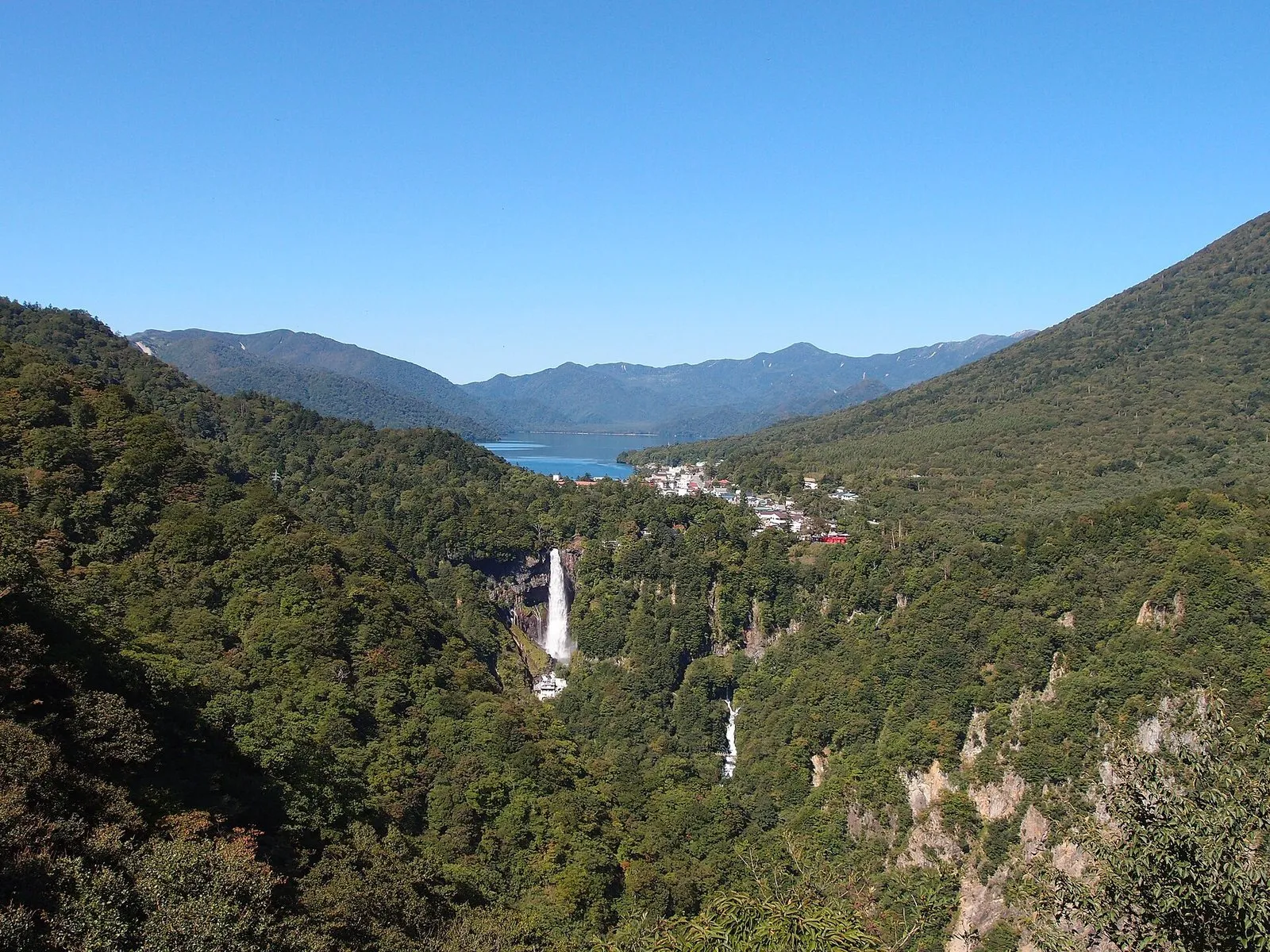
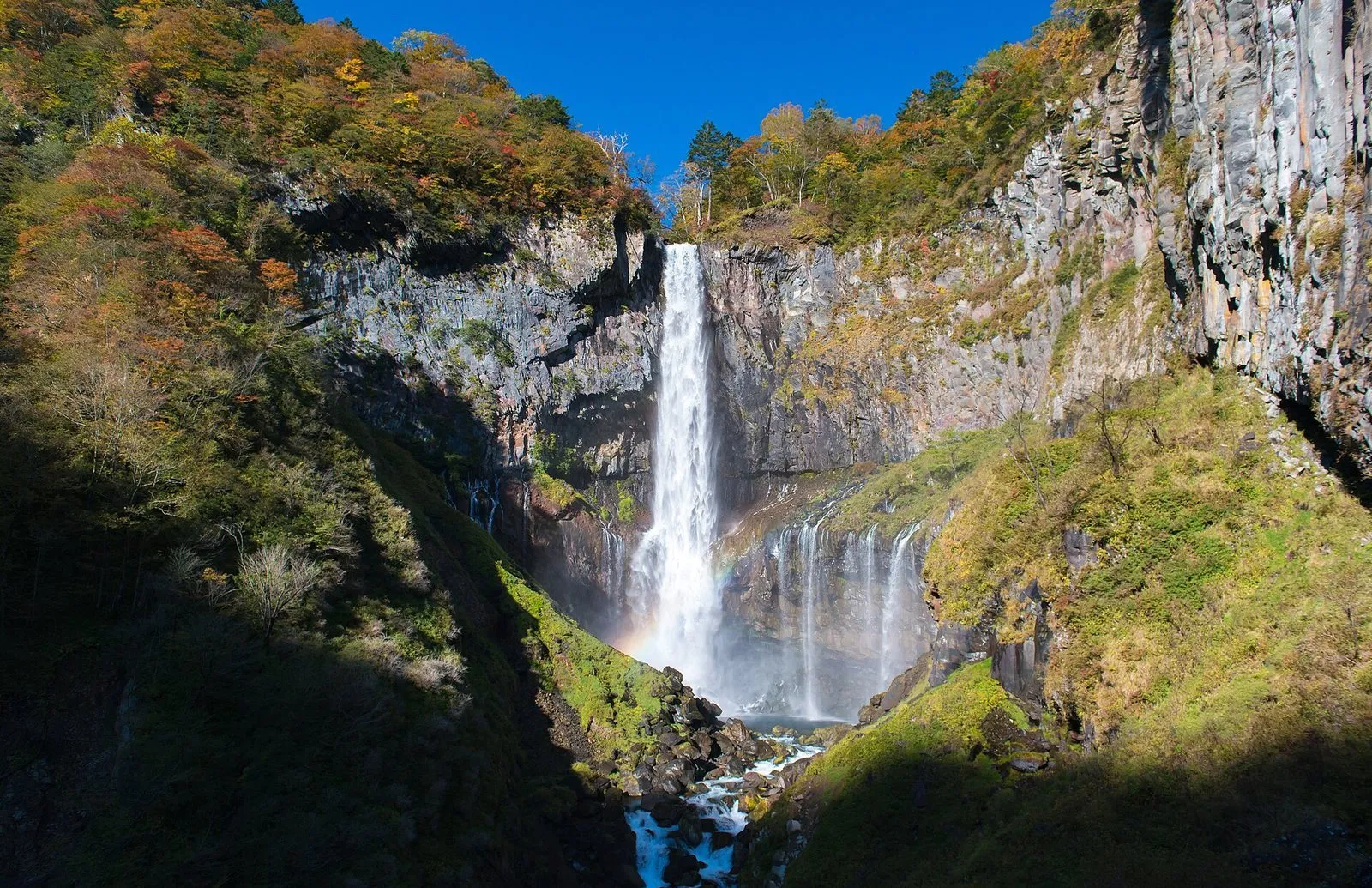
- 9Kegon FallsIrohazaka road and Chuzenji Onsen・About 50 minutes by bus, then a 5-minute walkWater from Lake Chuzenji plunges about 97 m down a rock face. An elevator takes you down to a viewing platform near the base.
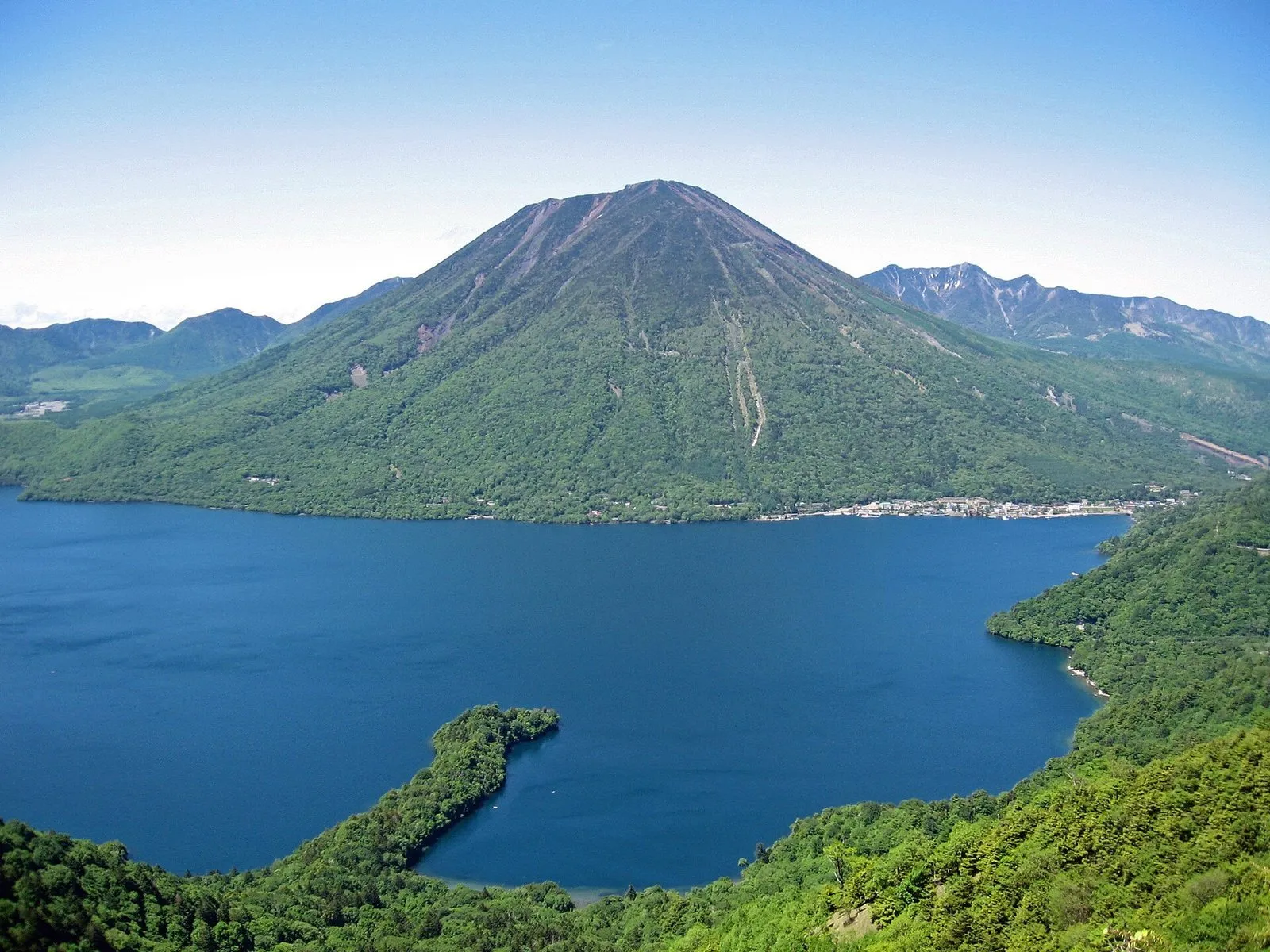
- 10Lake ChuzenjiIrohazaka road and Chuzenji Onsen・About 50 minutes by bus, then a 5-minute walkOne of Japan's highest lakes, at 1,269 m. You can stroll the shore at the foot of Mt. Nantai or take a sightseeing boat.
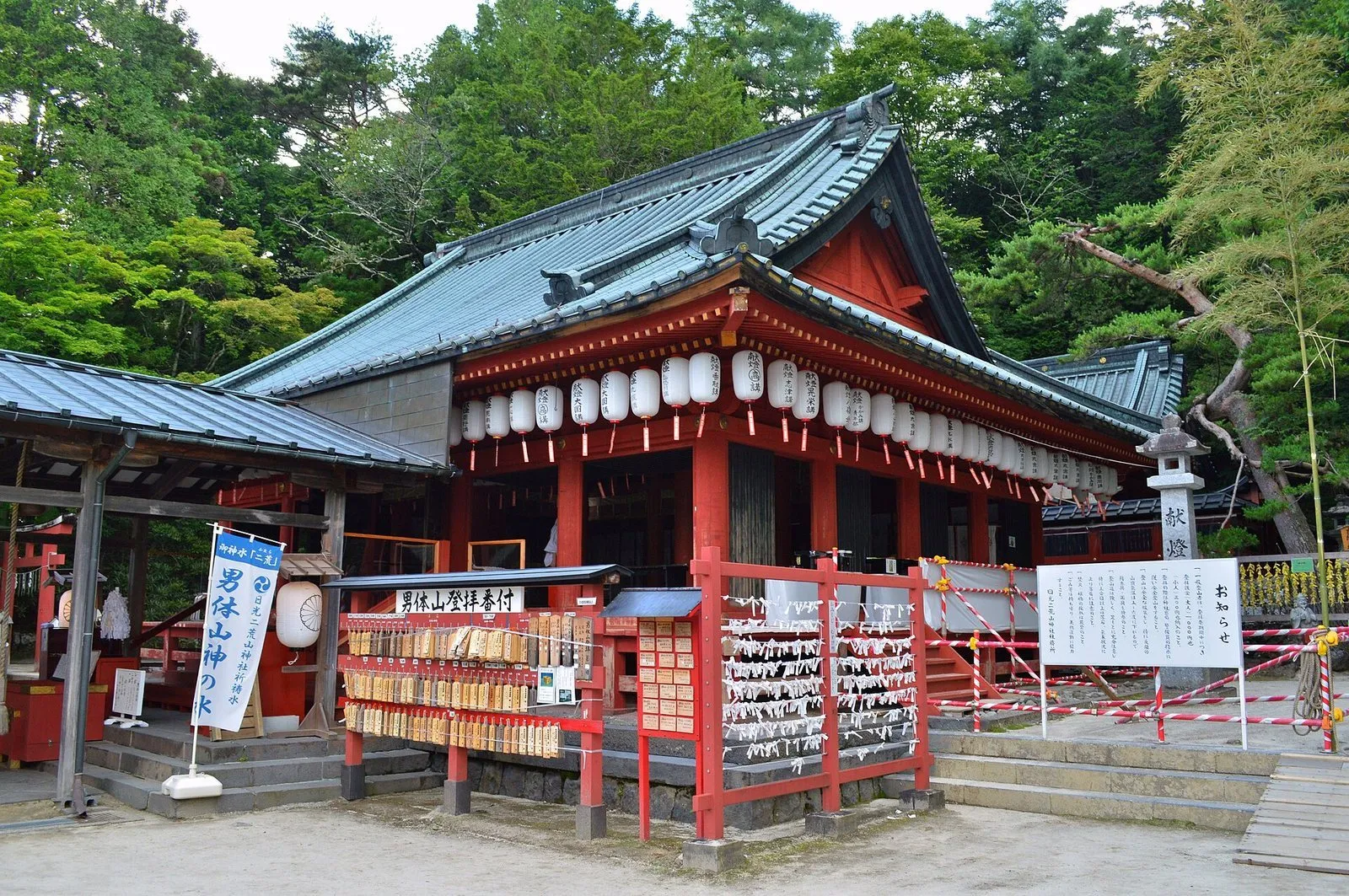
- 11Futarasan Shrine ChugushiIrohazaka road and Chuzenji Onsen・About 55 minutes by bus; the stop is right by the shrineA shrine on the north shore of Lake Chuzenji at the foot of Mt. Nantai. It is also the starting point for climbing the mountain.
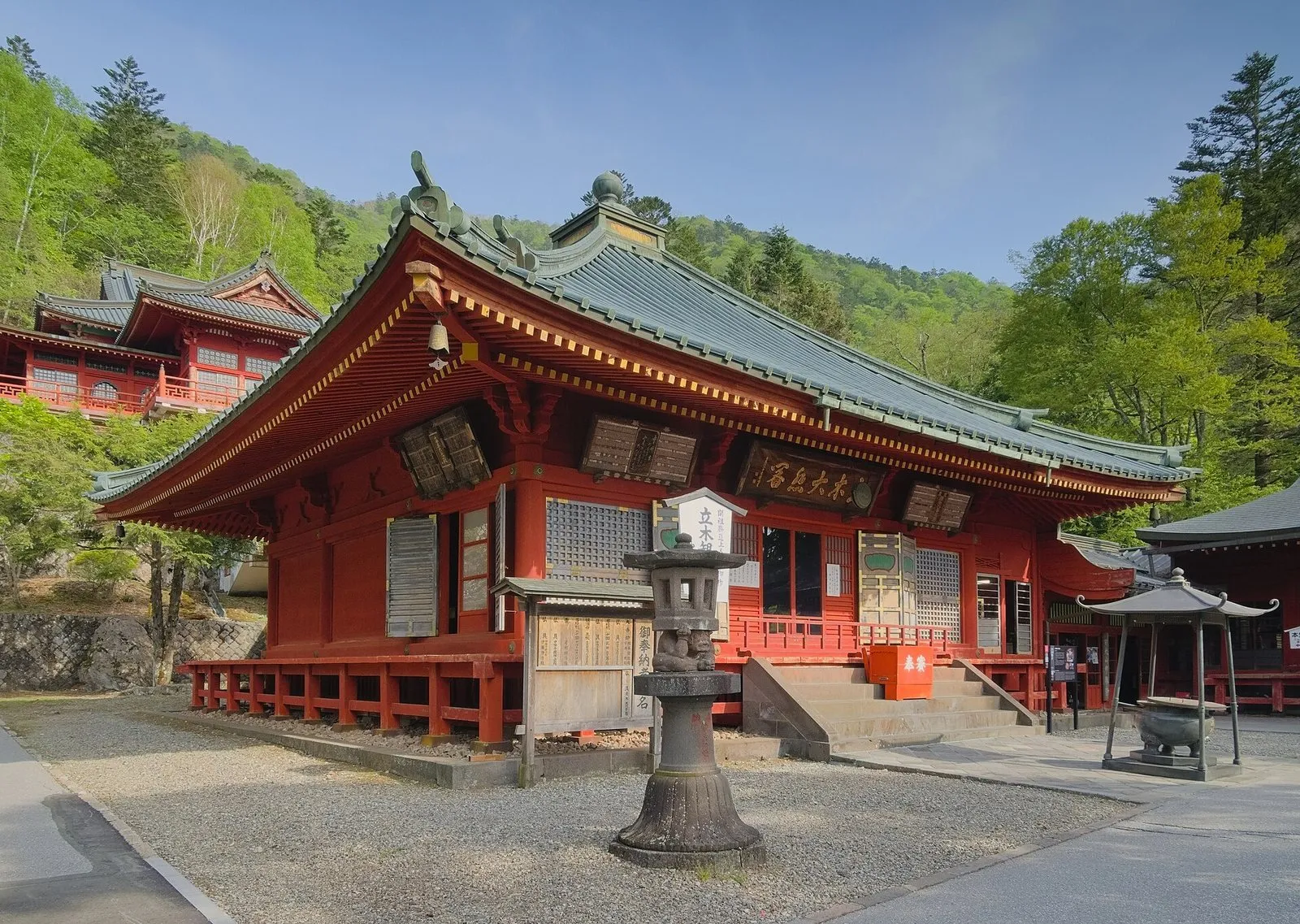
- 12Chuzenji Temple (Tachiki Kannon)East and north of Lake Chuzenji・About 50 minutes by bus, then a 15-minute walkA branch temple of Rinnoji on the shore of Lake Chuzenji. It enshrines a Kannon statue said to have been carved from a living katsura tree.
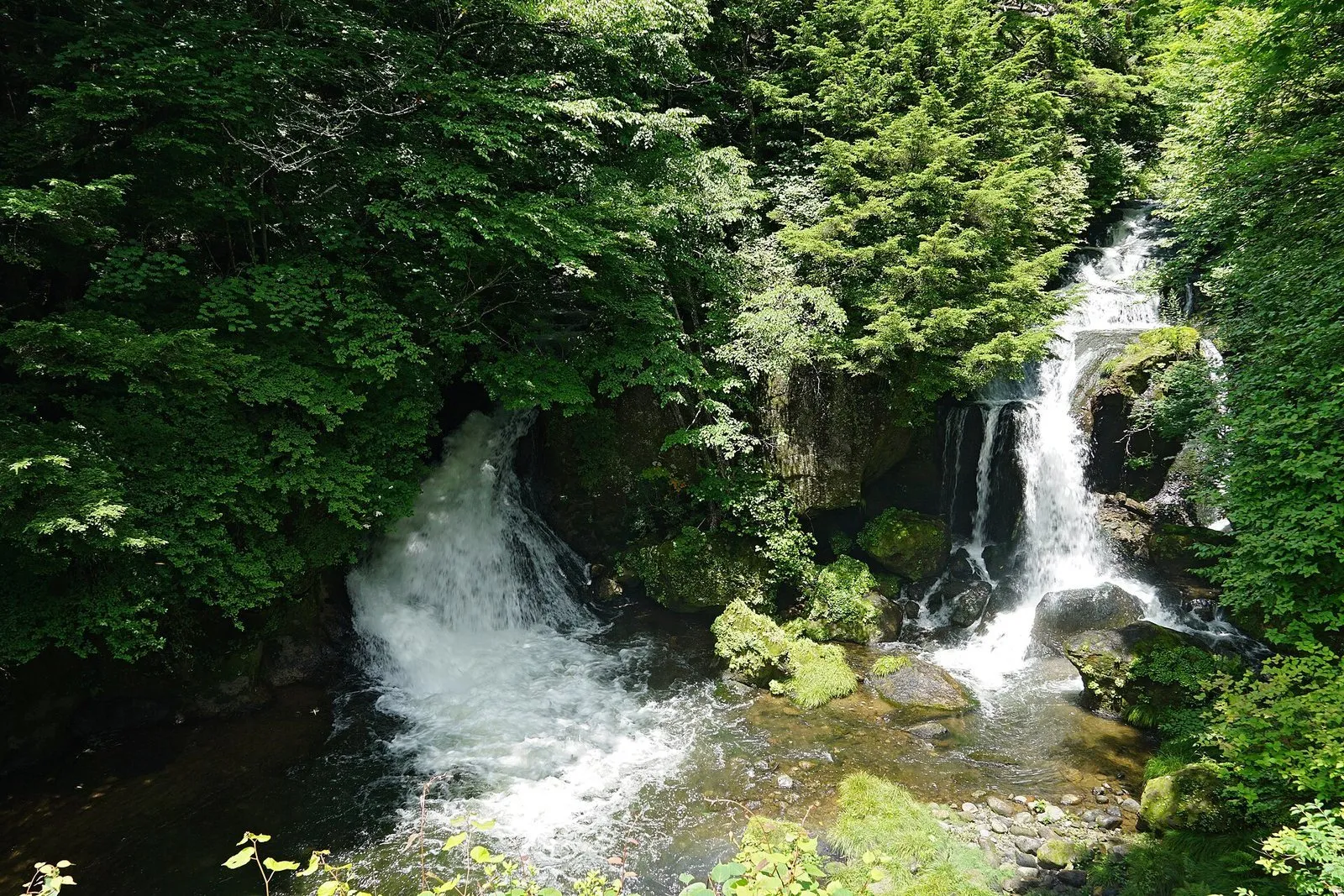
- 13Ryuzu FallsEast and north of Lake Chuzenji・About 65 minutes by bus, then a 2-minute walkA cascade that tumbles down a lava rock like a staircase. It is one of Okunikko's best-known falls and a popular autumn-colour spot.
Official sightseeing maps (PDF)
Printable maps from the local town or tourism association. Most are in Japanese.
- 日光山内探訪(二社一寺のマップ)(日光市観光協会)
- 奥日光ガイドマップ(日本語)(日光市観光協会)
- 奥日光ガイドマップ(英語)(日光市観光協会)
- 日光ウォーキングマップ(日本語)(日光市観光協会)
Nikko is where Japan’s shoguns chose to be remembered. In a cedar forest two hours north of Tokyo stand some of the most lavishly decorated shrines in the country, a UNESCO World Heritage site, and above them a mountain plateau of waterfalls and a deep blue lake. This guide covers the trains from Tokyo, which pass to buy, the sights in town and up in the mountains, and whether to stay the night.
Prices and times were checked in October 2026. Where only an unofficial source was available, we say “about” — confirm the exact figure on the operator’s site before you travel.
Why visit Nikko
Most of Japan’s famous temples are restrained. Nikko is the opposite. Toshogu, the shrine to Tokugawa Ieyasu, founder of the shogunate that ruled Japan for more than 250 years, is covered in carvings, gold leaf and color — including the original “see no evil, hear no evil, speak no evil” monkeys. Around it are more shrines and temples, all set in tall cedars.
Higher up, the Oku-Nikko area has Kegon Falls, Lake Chuzenji and hot springs. In autumn the whole mountainside turns red and gold. You can see the shrines on a day trip; the mountains reward an overnight stay.
How to get to Nikko from Tokyo
Tobu limited express from Asakusa (most common)
Tobu Railway’s limited expresses — Spacia X and Revaty Kegon — run from Asakusa (also stopping at Tokyo Skytree and Kita-Senju) to Tobu-Nikko in about 1 hour 50 minutes. A standard seat costs about ¥3,340 one way (fare plus limited express surcharge). Spacia X also has premium seats at a higher price.
Direct from Shinjuku (one train a day)
A JR–Tobu through train, the limited express Nikko, runs from Shinjuku to Tobu-Nikko in 1 hour 57 minutes — but only about once a day each way. It’s covered by the JR Tokyo Wide Pass and JR East Pass; the standard Japan Rail Pass covers only the JR part. Check JR East’s timetable before planning around it.
With a Japan Rail Pass
Take the shinkansen to Utsunomiya and change to the JR Nikko Line for JR Nikko Station, about 100 minutes in total. The whole route is JR, so the pass covers it.
Which NIKKO PASS to buy
Tobu sells two passes for visitors holding a foreign passport (Japanese companions can buy them too). Official prices:
| Pass | Adult | Valid | What it covers |
|---|---|---|---|
| NIKKO PASS world heritage area | ¥3,000 | 2 days | Round trip Asakusa–Shimo-Imaichi, Tobu trains to Tobu-Nikko, Tobu buses around the shrine area |
| NIKKO PASS all area | ¥8,000 | 4 days | All of the above, plus all Tobu buses in Nikko (including Lake Chuzenji and Yumoto), the Lake Chuzenji cruise (mid-April to November 30) and one day-use hot spring |
Neither includes the limited express surcharge, which you pay separately, and neither includes shrine admissions. Buy online at Tobu’s ticket site (digital or paper voucher), or at the Tobu Tourist Information Center in Asakusa, from one month before travel.
Which one? For a day trip to the shrines only, the world heritage area pass. If you’ll go up to Kegon Falls and Lake Chuzenji, or stay two days or more, the all area pass.
Getting around Nikko
From Tobu-Nikko or JR Nikko Station, the shrine area is a short bus ride (about 10 minutes, roughly ¥350) or a 30–40 minute uphill walk. Get off at Omotesando for Toshogu and Rinnoji. Buses to Lake Chuzenji take about 50 minutes up the Irohazaka switchback road.
In autumn the road to the lake jams badly, especially on weekends. Go up early in the morning, or on a weekday.
Top things to see in Nikko
Nikko Toshogu
UNESCO shrine- Price
- 💴 ¥1,600 (¥2,400 with Treasure House)
- Area
- 📍 Omotesando bus stop
The mausoleum of Tokugawa Ieyasu, famous for the Yomeimon gate, the three wise monkeys and the sleeping cat carving. Open 9:00–17:00 from April to October and 9:00–16:00 from November to March; last entry 30 minutes before closing.
Rinnoji Temple (Sanbutsudo)
Temple- Area
- 📍 Next to Toshogu
Nikko’s main temple, whose great hall houses three large gilded Buddha statues. A combined ticket with Taiyuin, the mausoleum of the third shogun, is available on site.
Futarasan Shrine
Shrine- Area
- 📍 Taiyuin-Futarasanjinja-mae bus stop
A quieter shrine to Nikko’s sacred mountains, older than Toshogu. The main grounds are free; a small fee applies to the inner garden.
Shinkyo Bridge
Landmark- Area
- 📍 Entrance to the shrine area
The vermilion bridge over the Daiya River that marks the way into the shrine area. It’s free to see from the road; walking across costs a small fee.
Kegon Falls
Waterfall- Area
- 📍 Chuzenji Onsen bus terminal
A 97-meter waterfall draining Lake Chuzenji, a short walk from the bus terminal. An elevator (paid) takes you down to a platform at the base of the falls.
Lake Chuzenji
Mountain lake- Area
- 📍 Chuzenji Onsen
A deep lake at the foot of Mt. Nantai, with sightseeing cruises in the warmer months and some of Nikko’s earliest autumn color.
Edo Wonderland
Theme park- Price
- 💴 ¥5,800 (afternoon ¥5,000)
- Area
- 📍 Kinugawa area
A recreated Edo-period town with ninja and samurai shows, popular with families. Open 9:00–17:00 from March 20 to November 30, shorter hours in winter; check the calendar for closed days.
A one-day Nikko plan
- Early morning: Tobu limited express from Asakusa.
- Late morning: bus to Shinkyo Bridge, then Toshogu before the tour groups peak.
- Lunch: try yuba (tofu skin), Nikko’s local specialty, near the shrines.
- Afternoon: Rinnoji and Futarasan, or — if you started early — the bus up to Kegon Falls and Lake Chuzenji.
- Evening: limited express back to Asakusa.
Doing both the shrines and the lake in one day is possible but rushed, especially in autumn traffic. Stay a night to do it comfortably.
Where to stay in Nikko
- Around the stations (Tobu-Nikko / JR Nikko) — the most convenient for the shrines and the trains home.
- Lake Chuzenji (Chuzenji Onsen) — lake views and early access to the falls, but cold and quiet off-season.
- Yumoto Onsen — the end of the bus line, with sulfur hot springs at the top of Oku-Nikko.
- Kinugawa Onsen — a big hot-spring resort on its own Tobu line, near Edo Wonderland.
When to visit Nikko
- Autumn is peak season. Color usually starts in the high country around Lake Chuzenji and Kegon Falls by mid-October and reaches the shrine area in late October to early November. Expect crowds and traffic.
- Spring and early summer are green and much calmer.
- Winter is cold and snowy higher up; the shrines stay open with shorter hours.
Nikko FAQ
Is Nikko worth a day trip from Tokyo?
Yes. The Tobu limited express from Asakusa takes about 1 hour 50 minutes, and the shrine area fits easily into one day. Add a night if you also want Kegon Falls and Lake Chuzenji.
Does the NIKKO PASS include the limited express?
No. Both Tobu NIKKO PASSes cover regular train fares and buses, but the limited express surcharge is paid separately.
Can I use the Japan Rail Pass to get to Nikko?
Yes, via the shinkansen to Utsunomiya and the JR Nikko Line. The direct train from Shinjuku runs partly on Tobu tracks, so the standard Japan Rail Pass covers only part of it.
How much time do I need at Toshogu?
Allow one to two hours for Toshogu itself, and half a day for the whole shrine area including Rinnoji and Futarasan.
When are the autumn leaves best in Nikko?
Higher areas like Lake Chuzenji usually peak in mid-October, and the shrine area in late October to early November. Dates shift every year.